Birthstones by Month: Meanings and Jewelry Guide
Birthstones have serious staying power. The modern U.S. list was standardized in 1912 by the National Association of Jewelers, giving us the monthly gemstone tradition most shoppers still follow today, according to Jewelers of America.
That history is part of the charm, but the real appeal is personal style. A birthstone can feel symbolic, sentimental, and wearable all at once, whether you love a vivid emerald pendant, a custom sapphire ring, or a diamond piece that blends perfectly with lab-grown or natural diamonds.
Birthstone options have also expanded over time. August and December each have three commonly recognized birthstones, and tanzanite was added to December in 2002, showing how jewelry traditions continue to evolve, as noted by GIA and GIA's December birthstones guide.
What Are Birthstones?

Birthstones are gemstones traditionally associated with each month of the year. In the U.S., the modern list most people recognize today traces back to the 1912 standardization described by Jewelers of America.
That does not mean the list is frozen forever. Some months now have more than one accepted gemstone, which gives shoppers more flexibility in color, budget, and durability. GIA notes that August includes peridot, spinel, and sardonyx, while December includes turquoise, zircon, and tanzanite, which is why modern birthstone shopping feels much more personal than a strict one-stone-only rule.
For jewelry lovers, that flexibility is a good thing. It means you can choose based on symbolism, color preference, or how often you actually plan to wear the piece.
Chart 1: How Many Birthstones Each Month Has
Months with 1 option — 6 months
Months with 2 options — 3 months
Months with 3 options — 3 months
Half the calendar still has a single classic birthstone, but the other half gives shoppers extra room to choose. That matters if you want a certain color, a stronger gem for daily wear, or a more budget-flexible option.
Birthstone Chart by Month
| Month | Birthstone | Why Shoppers Love It |
|---|---|---|
| January | Garnet | Rich red color and classic gift appeal |
| February | Amethyst | Velvety purple and accessible luxury feel |
| March | Aquamarine, Bloodstone | Aquamarine is especially popular for soft blue fine jewelry |
| April | Diamond | Exceptional durability and everyday wear potential |
| May | Emerald | Iconic green color and heirloom-worthy look |
| June | Pearl, Alexandrite, Moonstone | One month, three totally different aesthetics |
| July | Ruby | Strong color, strong symbolism, luxury status |
| August | Peridot, Spinel, Sardonyx | Great month for bright green or more durable spinel choices |
| September | Sapphire | Excellent durability and timeless elegance |
| October | Opal, Tourmaline | A color-lover's month with lots of personality |
| November | Topaz, Citrine | Warm golden tones that work beautifully in yellow gold |
| December | Turquoise, Zircon, Tanzanite | One of the most varied and colorful birthstone months |
Birthstones are no longer a one-look category. Several months now include multiple accepted gems, which makes it easier to choose a piece that fits your style, budget, and day-to-day wear needs.
GIA's birthstone guides are especially helpful here. They confirm that June, August, and December each have three commonly recognized choices, while March, October, and November each have two, giving shoppers far more variety than many people expect.
If you are shopping for a gift, this variety can be a big advantage. You can keep the meaning of the month while choosing a gem that better suits your recipient's color palette or jewelry habits.
How to Choose Birthstone Jewelry

The best birthstone jewelry is not always the rarest or brightest gem. It is the one that fits how you actually live. If you want an everyday ring, durability matters a lot more than it does for a pendant you wear occasionally.
According to the GIA Gem Encyclopedia, Mohs hardness ranges widely across birthstones. Pearl can sit around 2.5 to 4.5, opal is about 5 to 6.5, while ruby and sapphire are 9 and diamond is 10, making some birthstones naturally better for daily-wear rings than others.
That does not mean softer gems are off-limits. It just means they are often happier in earrings, pendants, or protective settings where they avoid constant knocks against countertops, gym equipment, and steering wheels.
We also love mixing birthstones with diamonds for balance. A softer center gem can still feel practical when it is styled thoughtfully, and diamond accents add extra sparkle without overwhelming the personal meaning of the piece.
Chart 2: Birthstone Durability by Mohs Hardness
Diamond — 10 Mohs
Ruby — 9 Mohs
Sapphire — 9 Mohs
Spinel — 8 Mohs
Topaz — 8 Mohs
Aquamarine — 7.5 Mohs
Emerald — 7.5 Mohs
Peridot — 7 Mohs
Opal — 5.5 Mohs
Turquoise — 5.5 Mohs
Pearl — 3.5 Mohs
Not every birthstone behaves the same in real life. Diamond, ruby, sapphire, spinel, and topaz generally handle everyday wear better, while pearl, turquoise, and opal need more thoughtful styling and care.
Best Birthstones for Everyday Wear

If you want a birthstone ring you never take off, start with the most durable choices. Diamond ranks 10 on the Mohs scale, and ruby and sapphire rank 9, according to GIA's April birthstone guide and the GIA Gem Encyclopedia.
These are strong candidates for rings, especially if you like an active lifestyle. Sapphire and ruby also have that ideal mix of color and toughness, which is one reason colored gemstone lovers keep coming back to them.
Emerald is a little more nuanced. GIA considers emerald one of the most commercially important colored gemstones, along with ruby and sapphire, but its internal inclusions mean it deserves a little more respect in daily wear, especially in rings that see constant contact.
Softer birthstones can still be stunning. Pearl is one of the few organic gem birthstones, as highlighted by GIA's June birthstones guide, and that organic structure is exactly why it benefits from gentler handling, softer storage, and less exposure to chemicals.
For anyone who wants a colorful but stronger August choice, spinel is especially interesting. It gives you rich color with better everyday toughness than some shoppers expect from a non-diamond gem.
Chart 3: Durability Tiers at a Glance
High durability — 5 stones
Moderate durability — 4 stones
Lower durability — 3 stones
There is a practical split between birthstones that love everyday use and those that need more care. Choosing the right setting often matters just as much as choosing the right gemstone.
Birthstone Meanings and Symbolism
Part of the appeal of birthstones is what they represent. These meanings are best seen as traditions rather than promises, but they still add a layer of sentiment that makes a gift feel thoughtful instead of generic.
January's garnet is often associated with protection and devotion. February's amethyst is commonly linked with calm and clarity, while March's aquamarine often carries a cool, serene energy that feels right at home in soft blue fine jewelry.
April's diamond is the obvious symbol of strength. That symbolism lines up nicely with the science too, since GIA notes that diamond reaches 10 on the Mohs scale, making it both meaningful and highly wearable.
May's emerald is tied to growth and renewal. July's ruby is closely associated with love and vitality, and GIA describes ruby as one of the "big three" colored gemstones alongside sapphire and emerald, which helps explain why it remains such a powerful luxury gift choice.
September's sapphire often symbolizes wisdom and loyalty. October's opal and tourmaline lean more expressive and artistic, while December's turquoise, zircon, and tanzanite let you choose among earthy blue, bright sparkle, or violet-blue drama.
Birthstone meanings work best when they support the design story of a piece. The most memorable jewelry usually combines symbolism with a gemstone color and style the wearer already loves.
Birthstone Jewelry Trends
Birthstone jewelry is having a stylish moment, but not in a cheesy way. The current look is cleaner, more personal, and much more refined than the overly literal birthstone jewelry many people remember from years ago.
According to National Jeweler and JCK, personalization remains a major driver in jewelry gifting and self-purchase. That is exactly why family birthstone necklaces, stacking rings with meaningful gems, and custom mother rings keep resonating with modern shoppers.
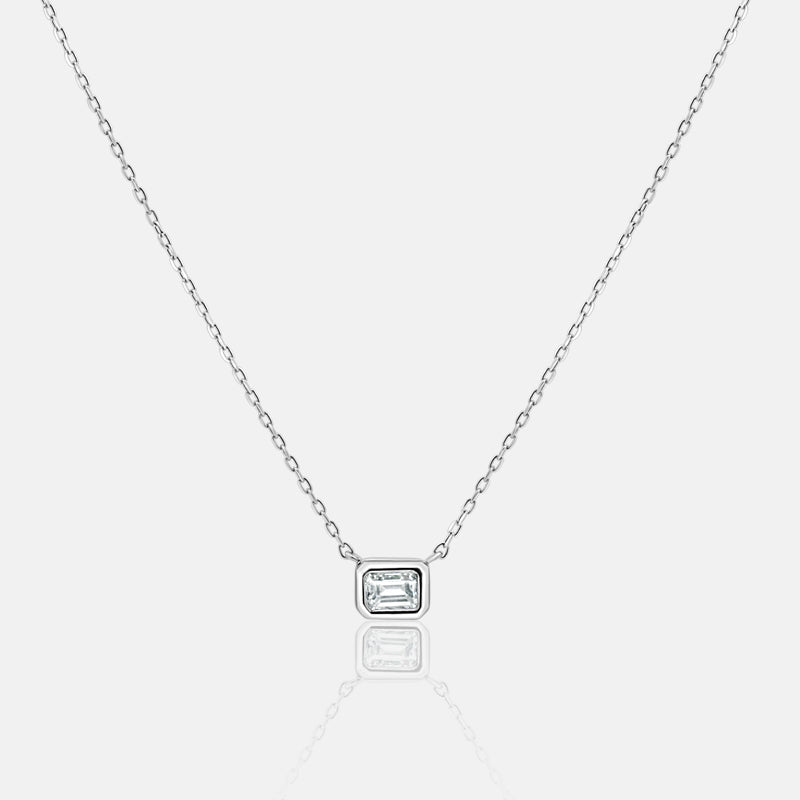
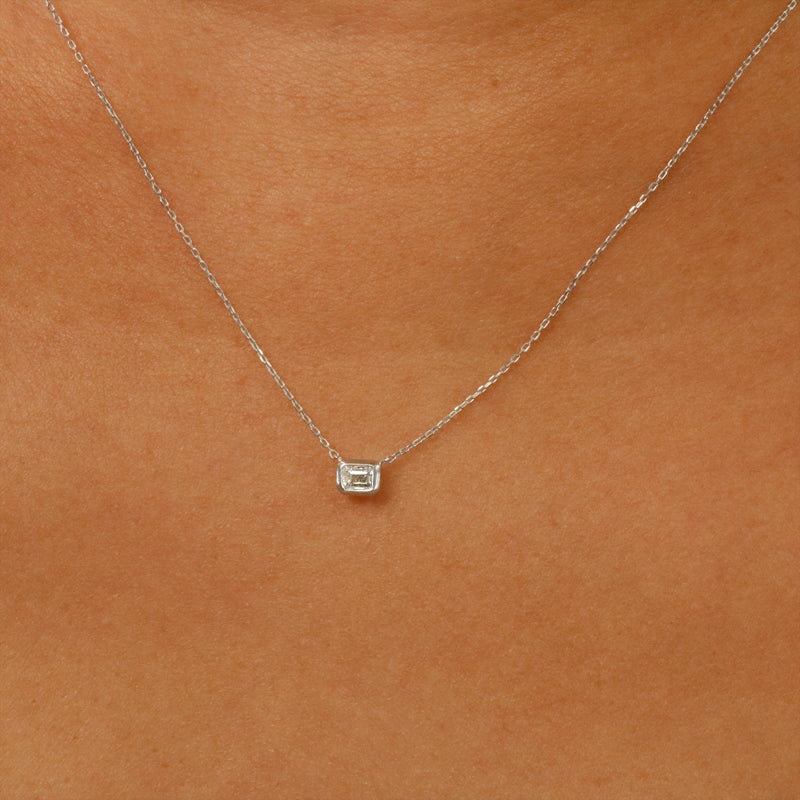
We are also seeing more people mix birthstones with diamonds for a cleaner luxury finish. That might mean a birthstone center flanked by diamonds, a bezel-set birthstone pendant on a fine chain, or a custom ring that combines anniversary diamonds with children's birthstones.
Another big trend is choosing the alternative birthstone for your month instead of the most obvious one. August shoppers may prefer spinel over peridot for durability, and June shoppers may choose alexandrite or moonstone instead of pearl depending on style and lifestyle.
For Atlanta shoppers, custom design is where this category really gets exciting. A birthstone piece becomes much more elevated when the metal, proportions, setting, and accent stones are tailored specifically to the person wearing it.
If you are browsing inspiration first, the Masina Diamonds blog is a great place to explore ideas before designing something one of a kind.
Custom Birthstone Jewelry in Atlanta
Custom birthstone jewelry works beautifully when you want something meaningful without feeling overly traditional. A simple pendant with one gem can be timeless, but so can a more detailed design that layers multiple birth months into one clean, modern piece.
At Masina Diamonds, custom design often starts with how the piece will be worn. Daily ring, special-occasion pendant, layering necklace, right-hand ring, milestone bracelet — each one calls for a slightly different balance of gemstone choice, setting style, and diamond accents.
That is especially important if you are combining softer stones with harder ones. A thoughtful custom design can protect a more delicate birthstone while still keeping the finished look sleek and luxurious.
Birthstone jewelry also makes sense for more than birthdays. It is a beautiful option for push presents, anniversaries, graduation gifts, milestone birthdays, and family jewelry that tells a story without saying too much.
If you love the idea of building something personal from the ground up, seeing gemstones in person makes a huge difference. Color, saturation, cut, and scale are easier to understand when you can compare options side by side.
FAQ: Birthstones by Month
Why do some months have more than one birthstone?
Because the modern list has evolved over time. According to GIA and Jewelers of America, months like June, August, and December now have multiple recognized options, giving shoppers more flexibility in color, price, and durability.
What is the most durable birthstone for everyday wear?
Diamond is the most durable in terms of hardness, ranking 10 on the Mohs scale according to GIA. Ruby and sapphire are also excellent daily-wear options at 9 Mohs.
Are birthstone rings okay for daily wear?
Yes, but the gemstone matters. Harder gems like diamond, sapphire, ruby, spinel, and topaz generally perform better for everyday rings, while softer stones like pearl, turquoise, and opal usually need more protective styling and gentler wear.
What are the birthstones for June, August, and December?
June has pearl, alexandrite, and moonstone. August has peridot, spinel, and sardonyx. December has turquoise, zircon, and tanzanite, according to GIA's month-by-month birthstone guides.
Can I create custom birthstone jewelry with diamonds?
Absolutely. Diamonds pair beautifully with birthstones in rings, pendants, and family jewelry. Mixing a birthstone with natural or lab-grown diamonds can add durability, extra sparkle, and a more elevated finished look.
Ready to Design Birthstone Jewelry?
If you want a birthstone piece that feels personal, polished, and easy to wear, seeing gemstone options in person is the best place to start. From classic pendants to custom rings and meaningful family designs, Masina Diamonds can help you create something that truly fits your style.
Book a consultation and explore custom birthstone jewelry in person at Masina Diamonds.