What Does a 0.22 Carat Diamond Cost?
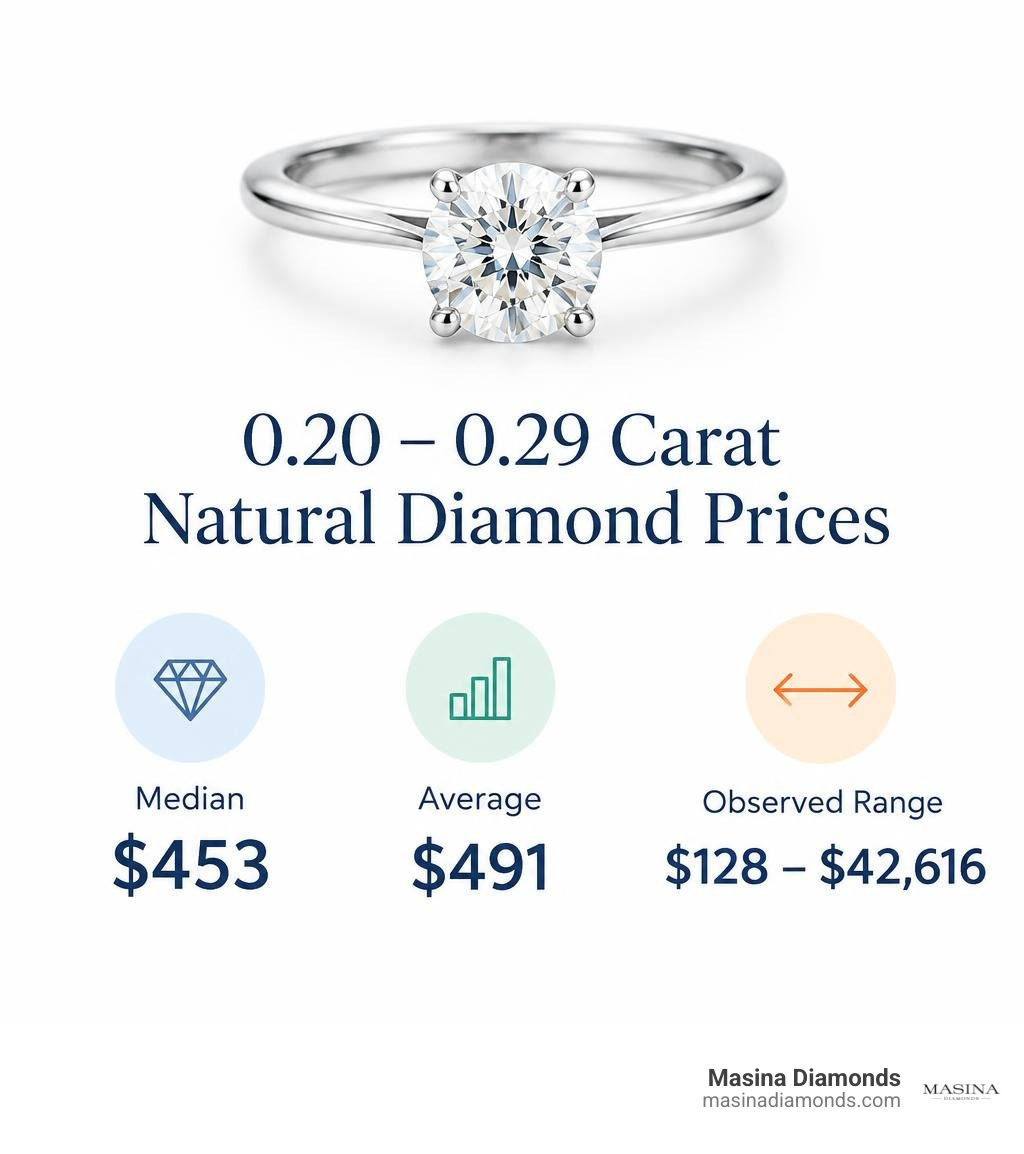
A 0.22 carat natural diamond may cost around $450 to $500 as a starting estimate. That is based on October 2026 pricing for the broader 0.20-0.29 carat group, which has a $453 median and a $491 average. It is not a price quote for 0.22 carat diamonds alone.
A 0.22 carat diamond weighs 22 points. Its price depends on cut, color, clarity, shape, and where you buy it. The broader group ranges from $128 to $42,616, but those extremes are not typical prices for a 0.22 carat stone.
We're Masina Diamonds, Atlanta jewelers with over 40 years of experience helping customers choose diamonds and design custom rings. We'll help you put the 0.22 carat diamond price in context, so you can decide what is worth paying for.
Understanding the 0.22 Carat Diamond Price Landscape
What Sets the Average 0.22 Carat Diamond Price?
When looking at the market for smaller diamonds, jewelers categorize stones into fractional weight brackets. A 0.22 ct stone falls directly into the 0.20–0.29 carat benchmark group. Across the industry, market indexes tracking verified listings show an average price of $491 and a median price of $453 for natural diamonds in this weight bracket.
Why is the median lower than the average? High-end collectors occasionally buy ultra-rare, flawless, or fancy-colored diamonds in this size bracket that skew the arithmetic mean upward. The observed price floor starts at approximately $128 for lower color and inclusion grades, while extreme museum-grade stones or fancy intense pinks can reach as high as $42,616. That creates a theoretical price spread of $42,488—a staggering 99.7% difference from the absolute lowest to highest listing.
To see live market trackers, check 0.2 Carat Natural Diamond Prices across verified inventories. If you want to understand how a 22-point stone compares to smaller melee accents, exploring a 10 pointer diamond size gives clear context on scale and cost-per-carat scaling.
| Metric | Benchmark Value (0.20–0.29 ct Group) | Market Context |
|---|---|---|
| Minimum Price | $128 | Commercial quality (lower color/clarity, e.g., K / SI1) |
| Median Price | $453 | Reliable fair-market benchmark for eye-clean stones |
| Average Price | $491 | Skewed slightly higher by top-tier color/clarity grades |
| Maximum Observed | $42,616 | Ultra-rare fancy colors, historic provenance, or collector IF/D |
| Observed Market Spread | $42,488 | 99.7% variance across quality tiers and specialty retailers |
Certification and Retailer Price Differences
Independent lab certification from institutions like the Gemological Institute of America (GIA) or the International Gemological Institute (IGI) provides verifiable grading metrics. Across major online retailers and boutique storefronts, market trackers verify over 6,688 live listings in this category across at least 9 leading retail channels.
Pricing variations for nearly identical certified stones can be eye-opening:
- A 0.27 carat GIA-certified round diamond with K color and SI1 clarity can be found starting from $128, representing a 29.7% savings compared to standard high-markup listings.
- A 0.23 carat IGI-certified round diamond with E color and SI1 clarity lists around $146, offering a 15.6% discount compared to average retailer spreads.
Why does this happen? Every retailer applies different inventory models, brick-and-mortar overhead costs, and profit margins. Understanding how to read a diamond certificate ensures you can match cut, symmetry, polish, and grading numbers to guarantee you are comparing exact specifications.
How Diamond Quality Dictates Value
How the 4Cs Influence Your 0.22 Carat Diamond Price
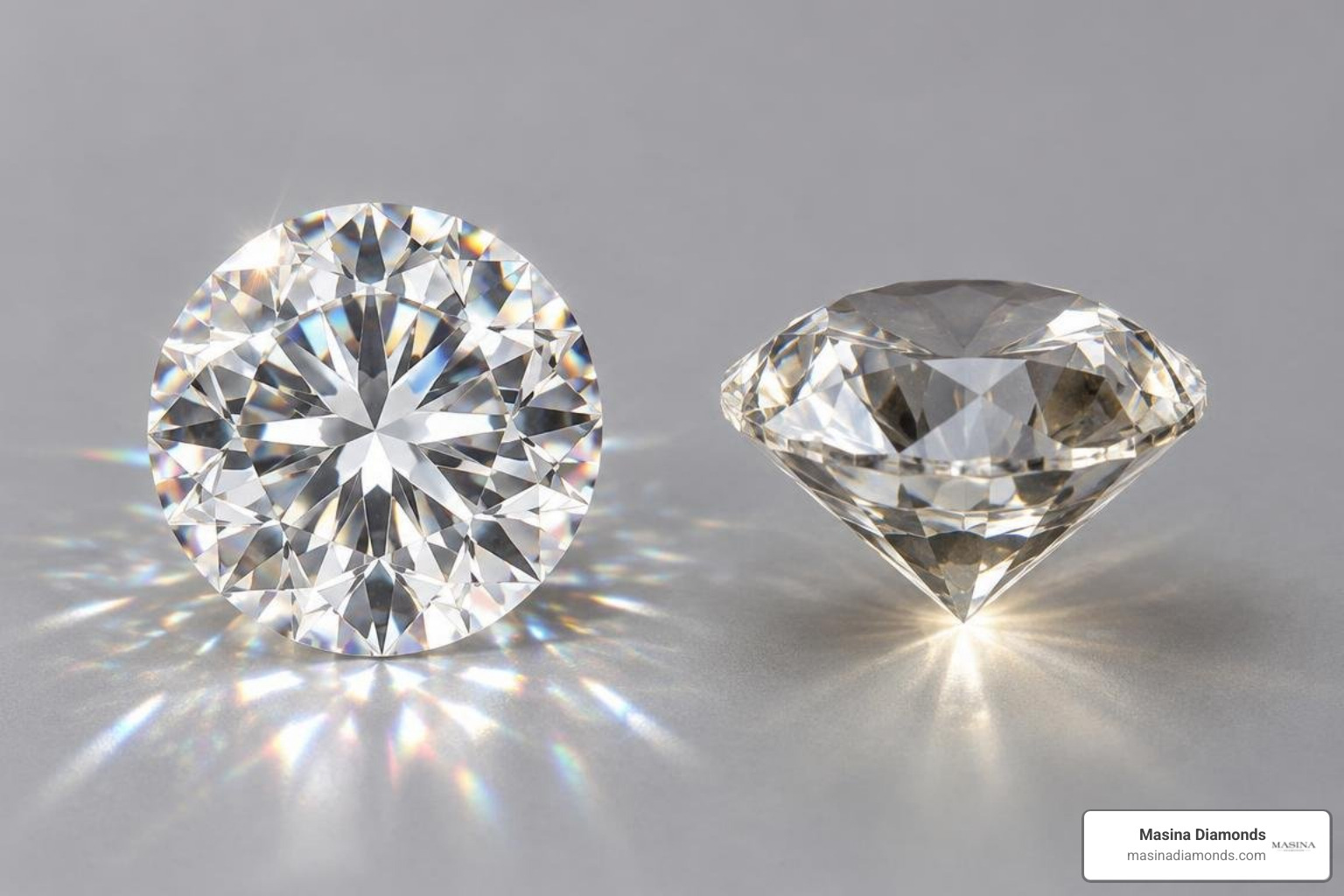
A diamond's value rests on the classic 4Cs: Cut, Color, Clarity, and Carat weight. For a 0.22 carat diamond, the cut is unquestionably your top priority. While carat weight determines physical mass, cut quality dictates table proportions, crown angles, and pavilion depths.
When light enters an ideal-cut diamond, it bounces internally off the facets and exits through the top table as brilliant fire. Learning what makes a diamond sparkle reveals that a poorly cut diamond will leak light through its bottom or sides, appearing dull and visually smaller than its 22-point weight.
To explore the entire grading framework in detail, our guide on understanding the 4Cs walks you through standard proportions. Color is graded on a scale from D (colorless) to Z (light tint). In smaller sizes, stones from G to J face up bright white when set in yellow or white gold. You can study nuance variations in our breakdown for decoding diamond color.
Balancing Clarity and Color for Maximum Value
Clarity grades identify internal inclusions and surface blemishes under 10x magnification. In a 0.22 carat diamond (measuring roughly 3.9 mm across in a modern round brilliant), individual inclusions are tiny.
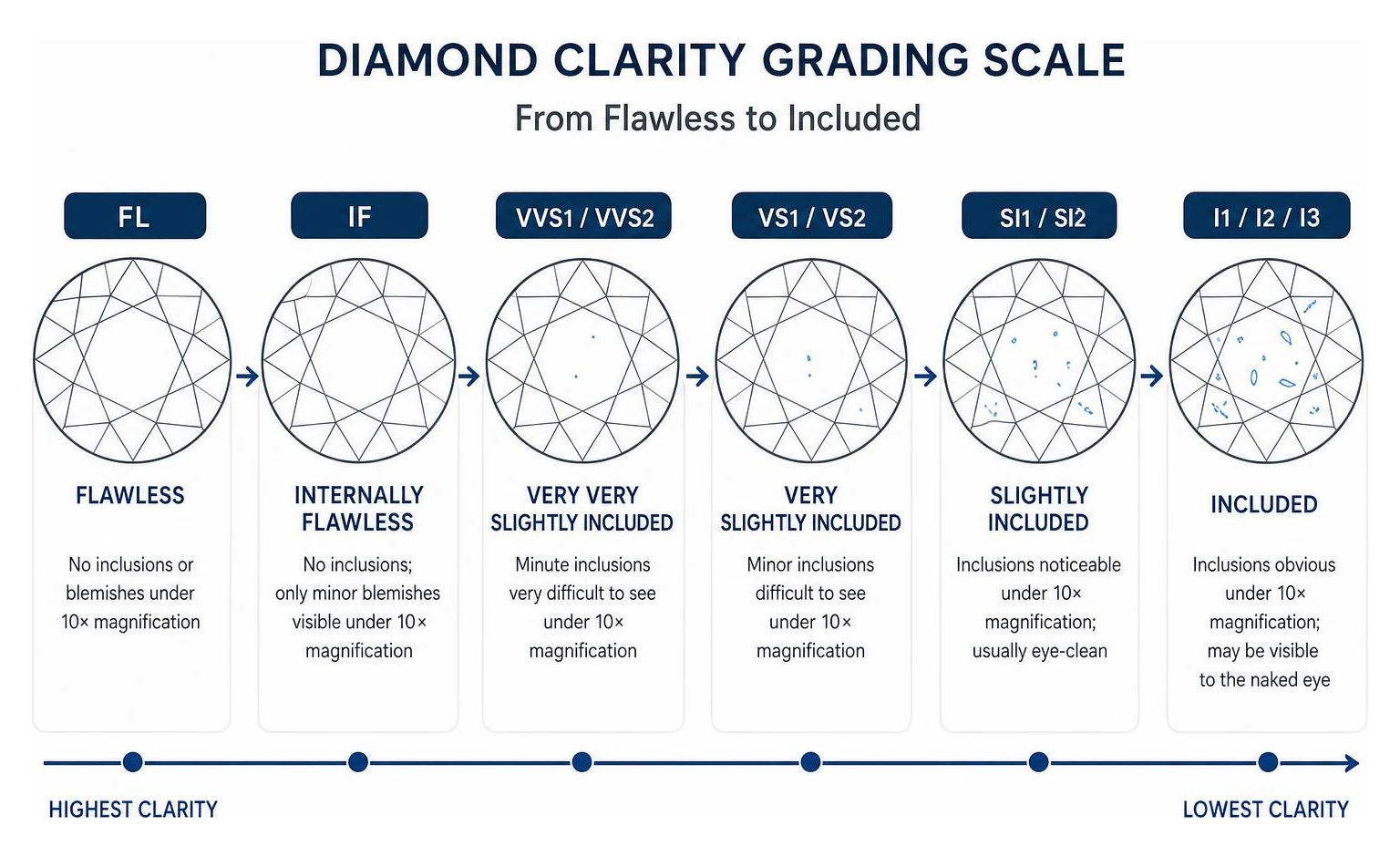
Because the surface table is relatively small, you do not need to pay an exorbitant premium for VVS1 or Flawless grades. A stone graded VS2 or SI1 is virtually guaranteed to be 100% eye-clean. Moving just one clarity grade down—for example, from VS2 to SI1—typically saves 10% to 15% on cost with zero visible difference to the naked eye. Reviewing understanding diamond clarity can help you identify eye-clean inclusion patterns easily.
Natural vs. Lab-Grown 0.22 Carat Diamonds
Price Comparison and Value Retention
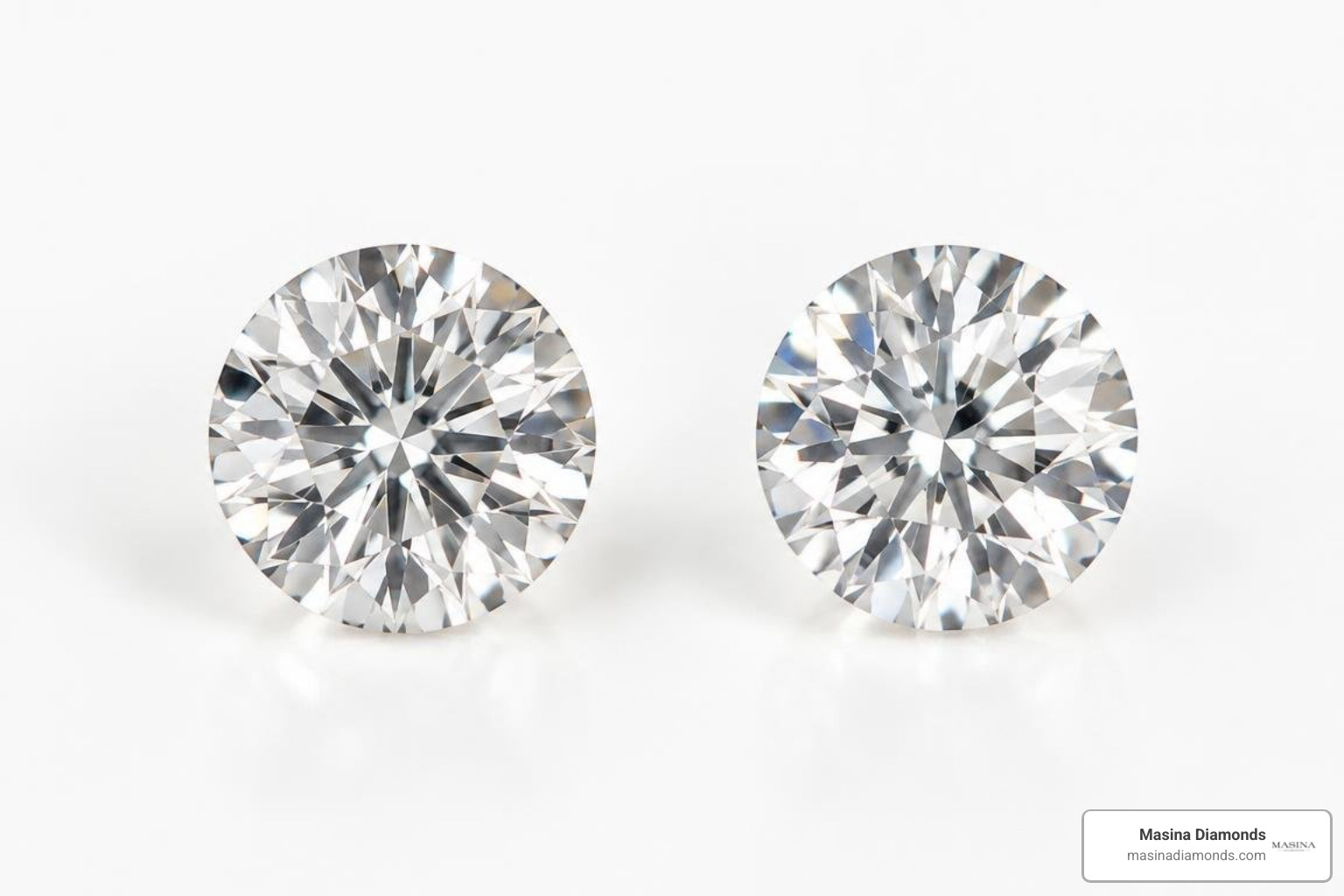
Lab-grown diamonds are optically, physically, and chemically identical to natural mined diamonds. The primary difference lies in how they are formed: beneath the earth's crust over billions of years, or created via High Pressure High Temperature (HPHT) and Chemical Vapor Deposition (CVD) methods.
Because modern laboratory production scales efficiently, lab-grown diamonds are generally 30% to 50% less expensive than natural diamonds in this size bracket. If you want to understand how laboratories replicate natural mantle conditions, read what is a lab grown diamond. When determining your purchase goals, our article on choosing between a natural and lab grown diamond highlights long-term value retention versus upfront budget optimization.
| Feature | Natural 0.22 Carat Diamond | Lab-Grown 0.22 Carat Diamond |
|---|---|---|
| Origin | Mined from Earth | Created in specialized laboratory |
| Average Cost Range | $300 – $600 (Eye-Clean / Ideal Cut) | $150 – $300 (High Color & Clarity) |
| Chemical Composition | Pure Carbon (Crystalline structure) | Pure Carbon (Crystalline structure) |
| Refractive Index & Brilliance | 2.417 | 2.417 |
| Certification | GIA / IGI Natural Diamond Report | IGI / GIA Lab-Grown Report |
Buying Strategies and Popular Settings
Smart Tips for Finding Value
Getting the highest value out of your diamond purchase comes down to smart buying tactics:
- Prioritize Cut Quality First: Always select an Ideal or Excellent cut grade so your 0.22 ct stone produces maximum light performance.
- Utilize the Drop-Down Strategy: Selecting an H-I color with an eye-clean SI1 clarity grade allows you to secure substantial discounts without sacrificing visual appeal.
- Cross-Reference Certificate Numbers: Verify the certificate on an independent grading database to ensure dimensions, depth percentages, and symmetry meet ideal specifications.
- Compare Across Sizing Bands: For practical cost management tips, consult our advice on how to buy a diamond without breaking the bank and compare pricing tiers like the 0.08 carat diamond price.
Ring Settings and Accent Stones
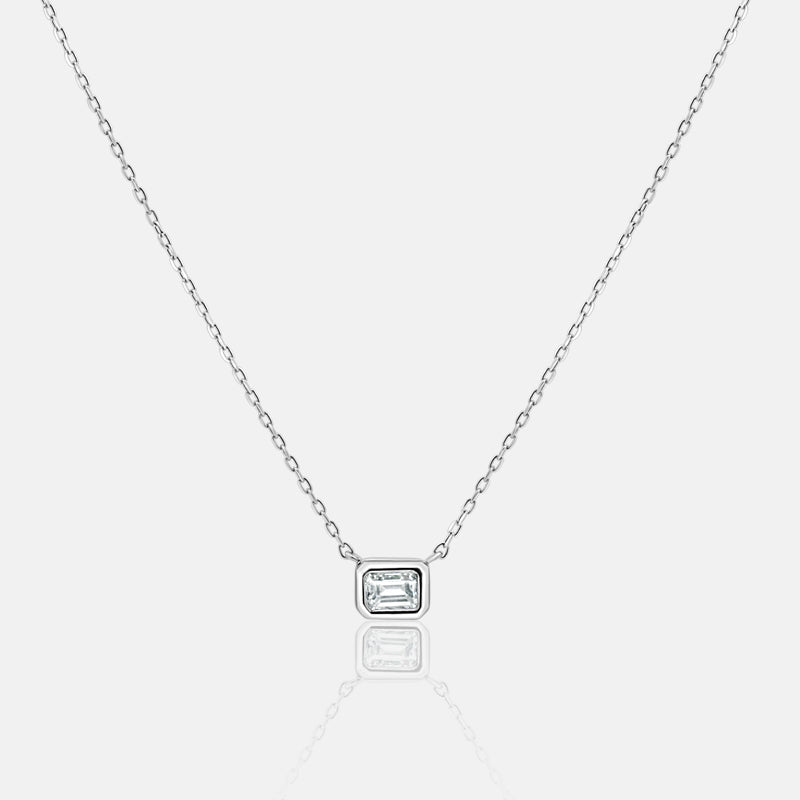
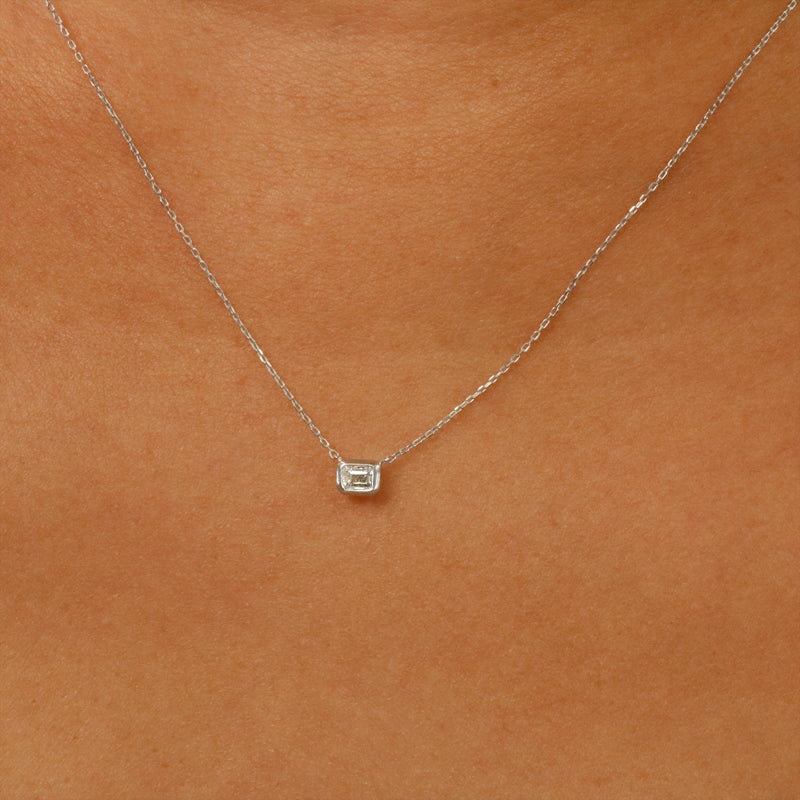
A 0.22 carat diamond is an adaptable gem size. It serves as an elegant minimalist center stone in a classic bezel or solitaire, an accent stone in a three-stone engagement ring, or part of a matched pair of stud earrings.
Many custom engagement rings incorporate a 0.22 ct diamond alongside slightly larger stones, such as a 0.30 carat oval diamond or a 0.32 carat round diamond. Exploring trends in average engagement ring carat size in 2026 will help you balance proportion, finger coverage, and setting style.
Frequently Asked Questions About 0.22 Carat Diamonds
What is a good price for a 0.22 carat natural diamond?
A fair market price for an eye-clean, G-to-H color, Excellent-cut natural 0.22 carat diamond typically sits between $350 and $490. Paying around the benchmark median ($453) reflects balanced market pricing for certified quality.
Should I prioritize color or clarity in a 0.22 carat diamond?
Prioritize cut first, followed by color, and then clarity. Because a 0.22 carat stone has smaller facets, inclusions graded VS2 or SI1 are unnoticeable without a jeweler's loupe. Investing in an Excellent cut and a near-colorless grade (G-H) delivers the brightest sparkle.
Why is there such a wide price range for 0.22 carat diamonds?
The price range spans from roughly $128 to upwards of several thousand dollars due to differences in retailer markups, brand prestige, fluorescence, and 4Cs combinations. Specialty fancy-colored diamonds and flawless collector stones also sit at the extreme top end of the spectrum.
Conclusion
Understanding diamond pricing benchmarks gives you the confidence to find exceptional value without overpaying. Whether you are creating a refined solitaire pendant, selecting matching side stones, or designing a bespoke ring, focusing on an Excellent cut and eye-clean clarity ensures your 22-pointer radiates brilliance.
At Masina Diamonds, our family has brought over 40 years of jewelry craftsmanship to Atlanta, Georgia. From selecting certified stones to visualizing your piece with our interactive 3D Ring Builder, we are here to help you design jewelry that lasts a lifetime. Explore our diamond carat complete guide to master diamond weights, sizing, and custom design options.