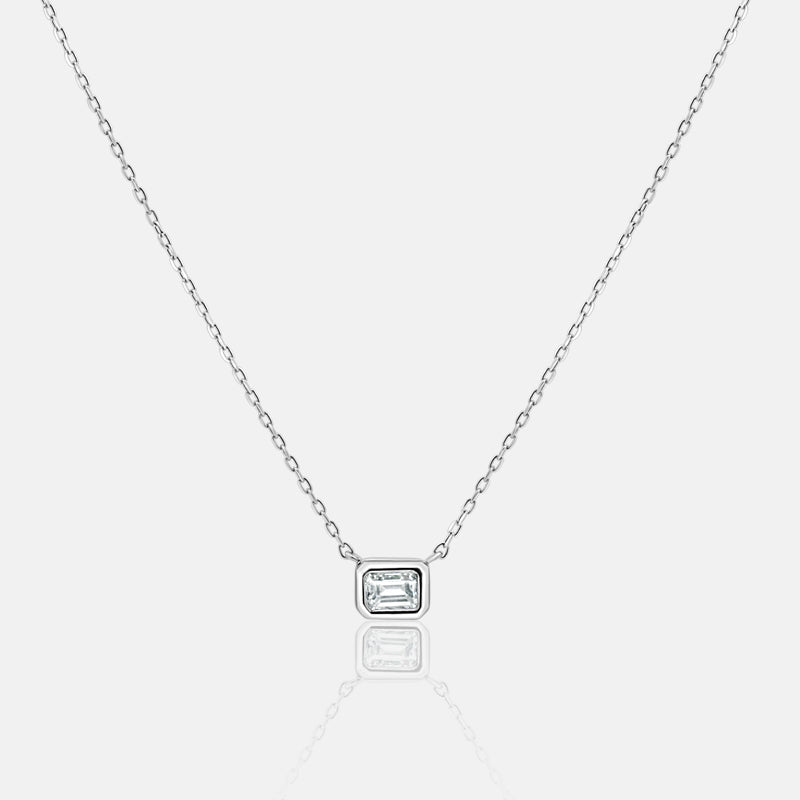
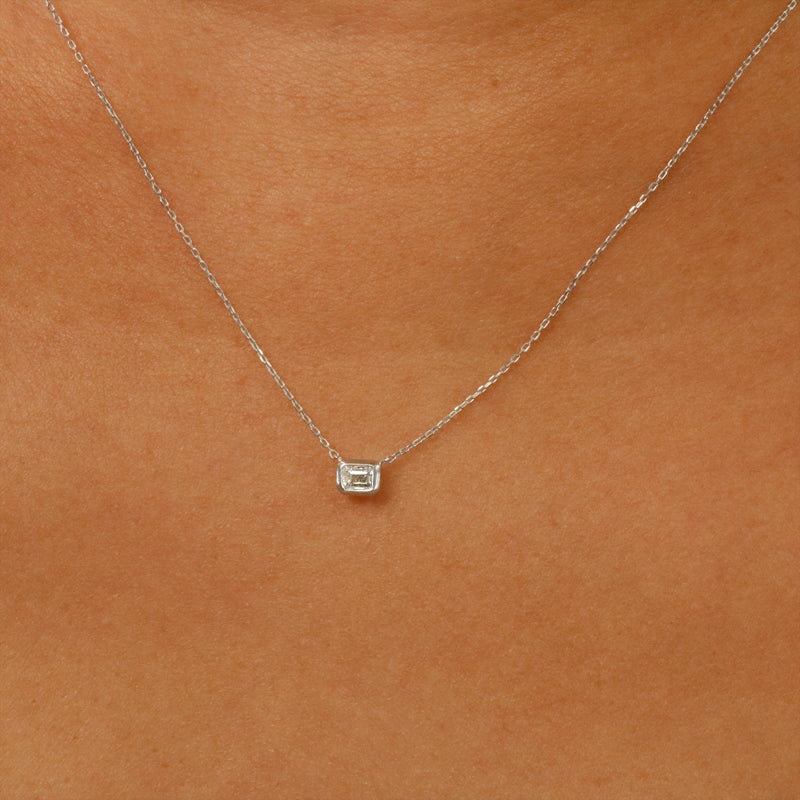
What a 0.08 Carat Diamond Costs and Looks Like
A 0.08 carat diamond price is typically modest because this size is most often used as an accent stone in pavé bands, halos, and side-stone settings. As a general retail guide, expect about $75 to $250 for a loose natural diamond and roughly $15 to $100 for a comparable lab-grown diamond, with cut, color, clarity, shape, and certification affecting the final cost.
A round 0.08 ct diamond is usually about 2.7 to 2.8 mm wide. It has a face-up area near 6.16 mm2 and covers roughly 17% of the width of an average US size 6.5 finger. For a small stone, a well-cut diamond matters more than paying for grades that are difficult to see once it is set.
At Masina Diamonds, we have spent more than 40 years helping Atlanta clients create custom engagement rings and fine jewelry. We use our experience with 0.08 carat diamond price, quality, and setting design to help shoppers choose small diamonds with confidence.
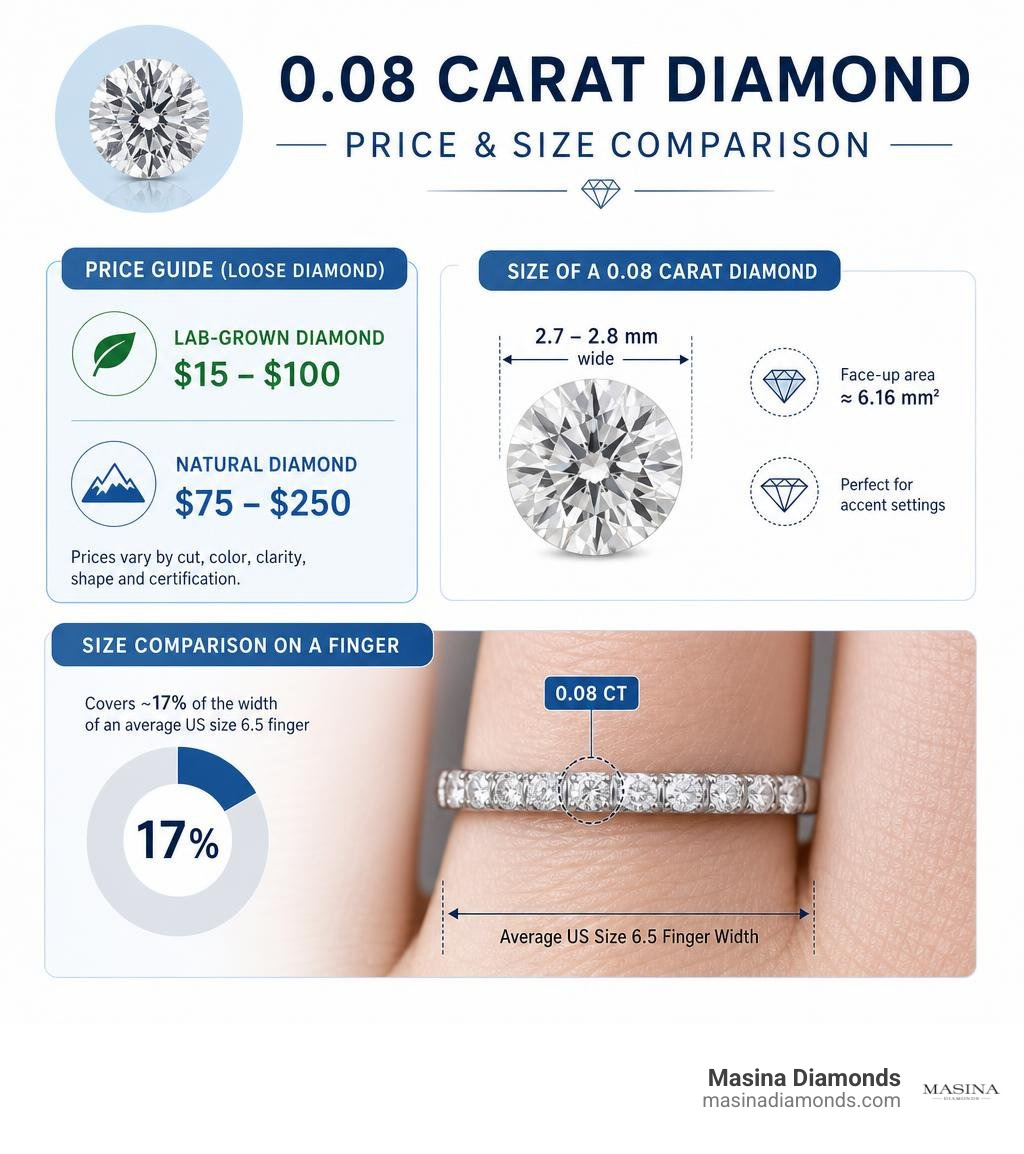
Understanding the 0.08 Carat Diamond Price in Today's Market
When evaluating loose stones under 0.10 carats, pricing dynamics differ dramatically from standard center stones. In the jewelry trade, stones weighing under one-tenth of a carat are commonly grouped into "melee" or small pointer categories. Unlike larger solitaire diamonds that are traded individually with individual grading dossiers, these compact gems are valued based on strict parcel sortings, millimeter calibrations, and visual uniformity.
The price you pay for a loose 0.08 ct diamond depends largely on whether it was grown in a laboratory or mined from the earth, as well as its specific color and clarity grade brackets. Tools like a Diamond Prices Calculator & Simulator can give you a baseline of per-carat price behavior across wholesale indexes, but retail costs for small diamonds also incorporate precision sorting, matching, and setting labor.
| Diamond Type | Typical Color / Clarity | Average Diameter | Retail Price Range (Loose) | Primary Jewelry Application |
|---|---|---|---|---|
| Natural Mined | G–H / VS | 2.70 – 2.80 mm | $110 – $220 | Fine halo rings, vintage restorations, three-stone side accents |
| Natural Mined | I–J / SI | 2.70 – 2.80 mm | $75 – $130 | Commercial pavé bands, multi-stone fashion earrings |
| Lab-Grown | E–F / VVS–VS | 2.70 – 2.80 mm | $25 – $65 | Modern eternity bands, contemporary halo engagement settings |
| Lab-Grown | G–H / SI | 2.70 – 2.80 mm | $15 – $40 | Budget-conscious custom accents, multi-stone pendants |
Natural vs. Lab-Grown: 0.08 Carat Diamond Price Differences
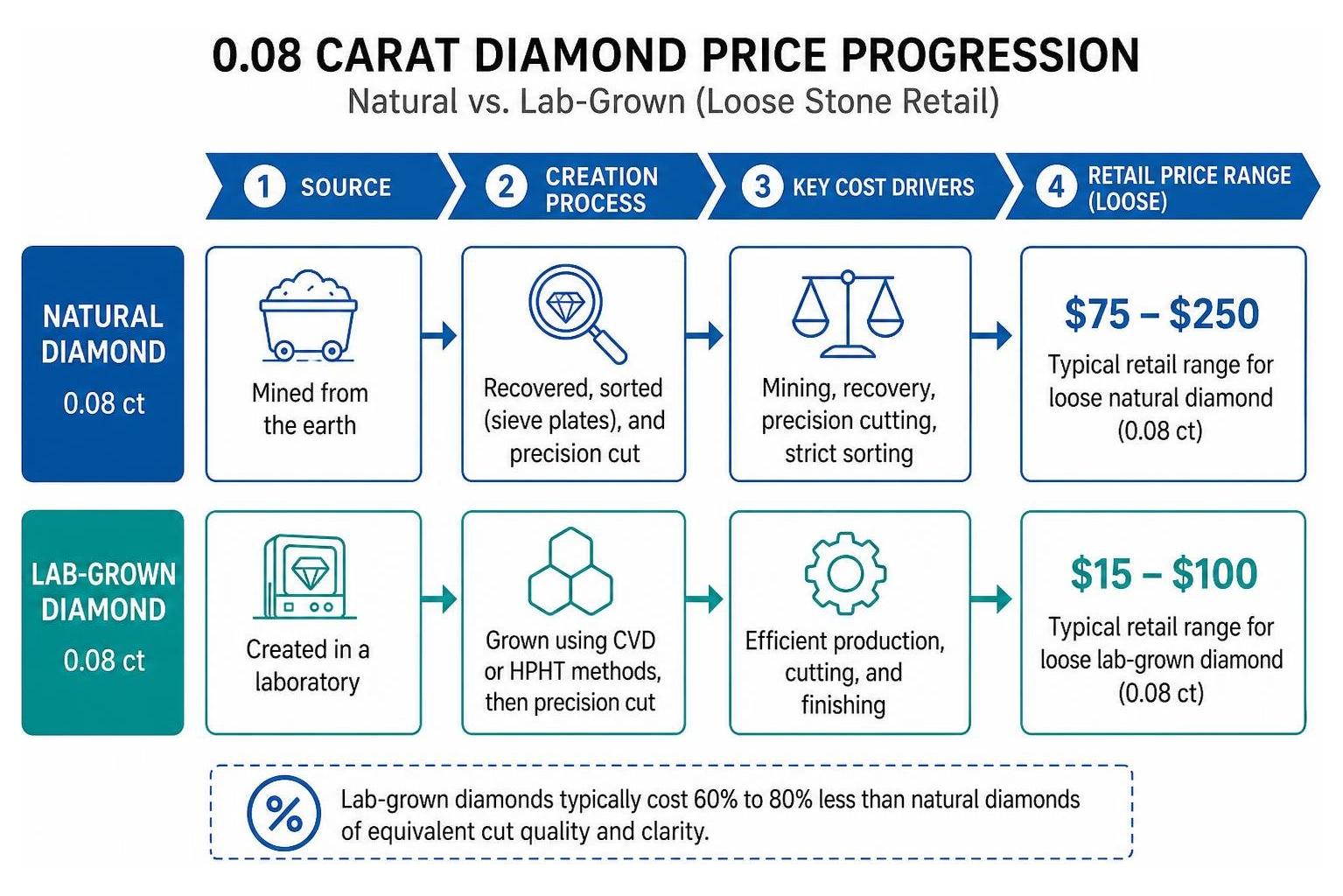
Lab-grown diamonds have transformed how accent stones are sourced. Because modern chemical vapor deposition (CVD) and high-pressure high-temperature (HPHT) methods allow growers to produce diamond crystals efficiently, the manufacturing and cutting costs are now the main components of a lab diamond's price tag.
By contrast, natural 0.08 ct stones must be mined, recovered from kimberlite ore, sorted through sieve plates, and faceted with high precision. While you can review larger trends like 0.8 Carat Lab Grown Diamond Prices where an average 0.80 ct lab diamond runs around $593 (with a broad spread from $103 up to $4,680 depending on retailers), smaller 0.08 ct lab stones feature an even tighter price range. In most retail settings, choosing lab-grown for your 0.08 carat accent stones saves approximately 60% to 80% compared to natural diamonds of equivalent cut quality and clarity.
Comparing 0.08 Carat Stones to Larger Carat Weights
Diamond pricing does not scale along a straight, linear line. Instead, prices increase exponentially as diamonds get larger and rarer. For instance, an eight-point (0.08 ct) diamond might carry a per-carat rate of $1,200 to $2,000 in natural G/VS quality, meaning a single 0.08 ct stone costs around $120 to $160.
However, if you look at a natural 0.75 carat diamond or explore market benchmarks for US 0.8-carat Carat Natural Diamond Prices, the per-carat rate jumps substantially. A 0.80 ct natural diamond averages around $2,140 to $2,218 overall—roughly $2,700 per carat—with individual stones ranging from $511 to over $5,300 depending on color and clarity. While a 0.80 ct diamond weighs exactly 10 times more than a 0.08 ct stone, it often costs 15 to 25 times more because finding a gem-quality rough crystal large enough to yield a solitaire is exponentially more difficult.
Actual Size and Dimensions of a 0.08 Carat Diamond
Understanding millimeter size is essential when working with stones under one-tenth of a carat. While carat represents weight (0.08 carats equals exactly 16 milligrams), your eye only perceives the top surface area.
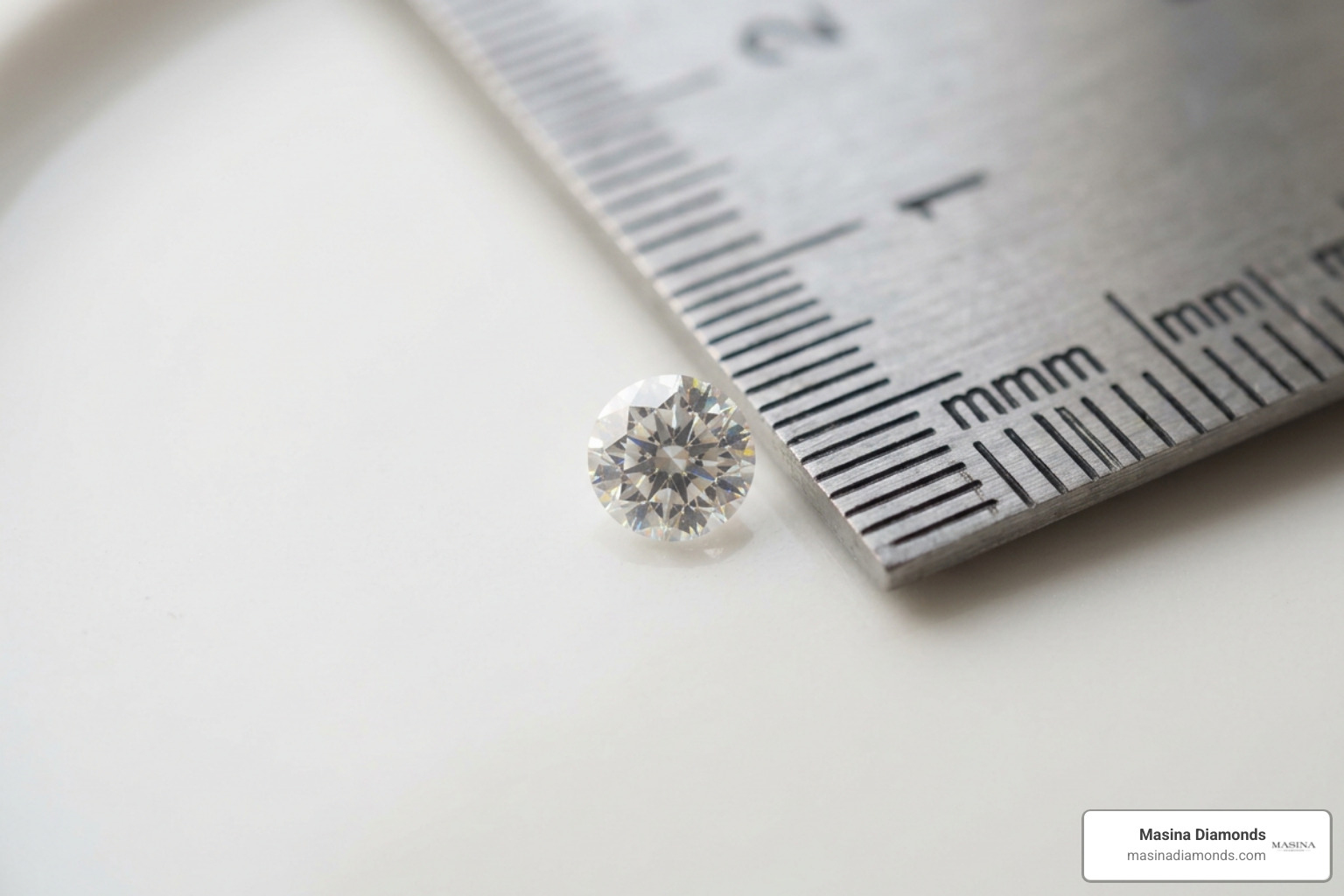
A properly cut round brilliant 0.08 ct diamond measures between 2.70 mm and 2.84 mm across its diameter. For context, this diameter provides a face-up surface area of approximately 6.16 mm². When set horizontally on an average US size 6.5 finger (which measures roughly 16.9 mm wide), a single 0.08 ct diamond covers roughly 17% of the finger's width. To explore how physical millimeters translate across different carat tiers, review our diamond carat complete guide 2026.
Face-Up Surface Area and Proportions
To get the most sparkle and spread out of a 2.7 mm diamond, cutting proportions must remain tight:
- Depth Percentage: An ideal total depth for a 0.08 ct round diamond falls between 58% and 62.5% (with 60.4% considered a sweet spot). A stone cut too deep hides its weight in the base, making it look closer to a 0.06 ct diamond, while a stone cut too shallow creates a dull, glassy center.
- Table Percentage: A table width of 53% to 58% ensures balanced light dispersion (fire) and maximum brightness (scintillation).
- Girdle Thickness: A thin to medium faceted girdle prevents chipping during the bench jeweler's setting process while avoiding unnecessary dead weight.
Best Shapes for Maximum Spread
While round brilliant cuts are the standard choice for 0.08 carat accents due to their light return, fancy shapes offer unique design options:
- Round Brilliant: Offers the highest light return and consistent millimeter sizing (2.70–2.80 mm).
- Princess Cut: Offers a square outline measuring roughly 2.20 x 2.20 mm. It delivers a modern, geometric look, though its sharp corners require secure prong placement.
- Marquise & Pear Cuts: Elongated stones create the illusion of greater length. Just as shoppers track the cost of 2 carat pear shaped diamond for solitaire rings, miniature 0.08 ct pear cuts (measuring approximately 3.3 x 2.2 mm) are popular in floral or vintage side-stone clusters.
Quality Factors Affecting Sub-Carat Value
When shopping for center stones, buyers often spend time analyzing minute clarity characteristics or subtle color undertones. With a 0.08 carat diamond, visual balance takes priority over paying for invisible perfection.
How the 4Cs Impact Your 0.08 Carat Diamond Price
- Cut Quality: In a diamond measuring under 3 mm, every facet must align to reflect light back to the eye. An Excellent or Very Good cut grade gives the stone its characteristic brilliance, allowing it to sparkle even under soft lighting.
- Color Grade: For white gold and platinum settings, selecting stones in the G to H (near-colorless) range provides an icy white look without the premium of D–F grades. If your setting is crafted in 14k or 18k yellow or rose gold, you can comfortably drop to I or J color because the warm metal naturally masks subtle body color.
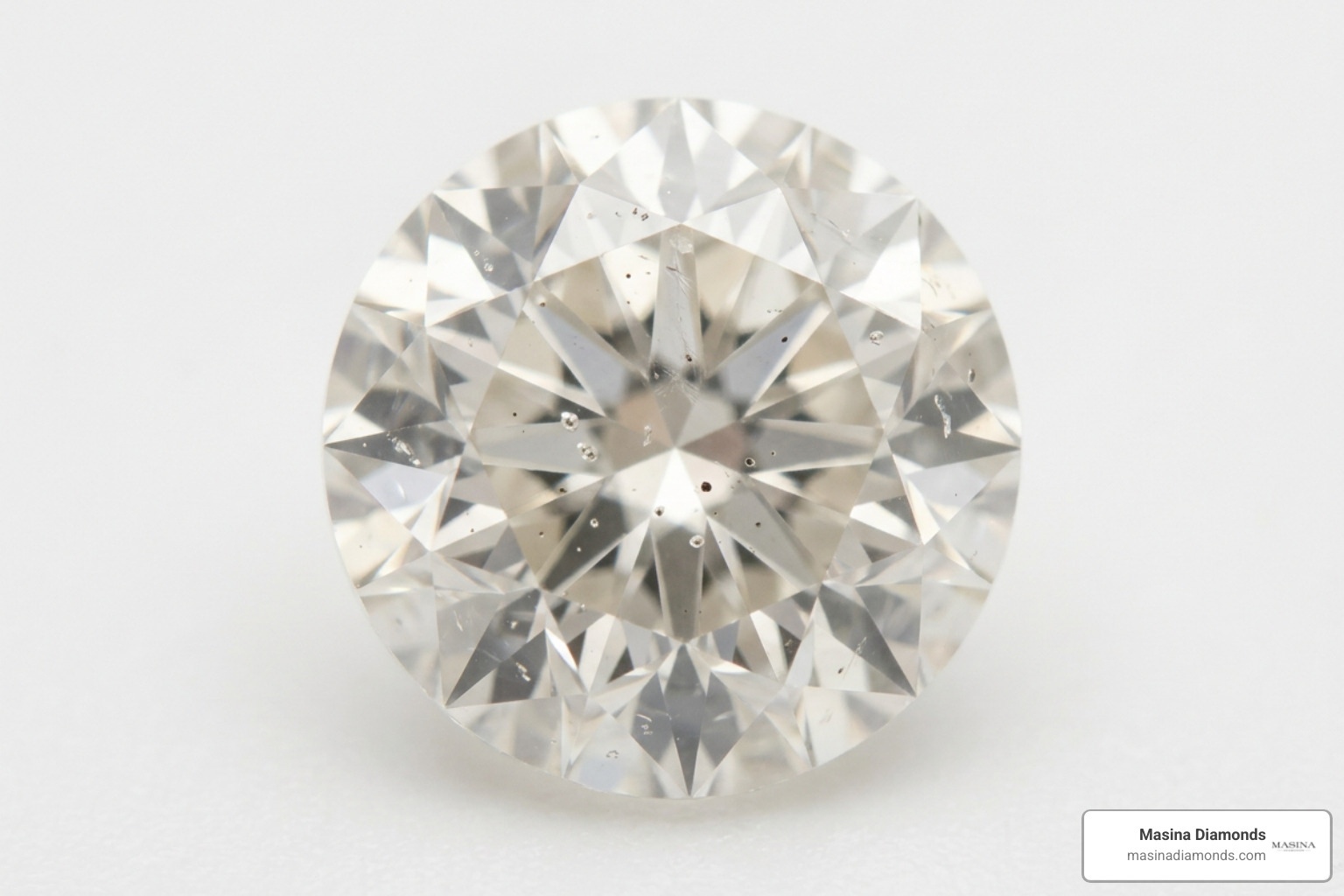
- Clarity Grade: Because a 0.08 ct diamond has a table facet of less than 1.6 mm, inclusions are impossible to resolve with the naked eye. Selecting VS1, VS2, or eye-clean SI1/SI2 grades offers the best balance of clean appearance and budget efficiency. Paying for VVS or Flawless clarity in this size bracket offers little practical benefit.
- Polish & Symmetry: Excellent polish and symmetry ensure that adjacent stones in a channel or pavé row reflect light in harmony.
Certification and Buying Standards
Full, individual grading dossiers from the Gemological Institute of America (GIA) or International Gemological Institute (IGI) are rarely issued for individual 0.08 ct diamonds because the laboratory fee would exceed the value of the stone itself. Instead, high-grade 0.08 ct diamonds are graded in calibrated batches or verified through jeweler screening methods.
When purchasing larger diamonds—such as those covered in our 2 carat lab diamond guide—individual certification is mandatory. For 0.08 carat accents, look for a jeweler who guarantees strict color and clarity thresholds (such as G/H VS minimums) and inspects each parcel under a gemological microscope.
Setting 0.08 Carat Diamonds in Custom Jewelry
A 0.08 ct diamond rarely sits alone on a plain band; its real strength is enhancing intricate jewelry designs.
- Halo Settings: Surrounding a center stone with a ring of 0.08 ct diamonds creates a bold frame, expanding the overall visual diameter of the ring head by 5 to 6 millimeters.
- Graduated Three-Stone & Multi-Stone Rings: Pairing a 0.50 ct to 1.00 ct center diamond with two 0.08 ct round or pear-shaped flanking stones creates a balanced transition along the finger.
- Eternity & Wedding Bands: A shared-prong or bead-set eternity band containing twenty 0.08 ct diamonds yields an impressive 1.60 total carat weight, offering noticeable brilliance across the hand.
- Setting & Labor Costs: When calculating your total project budget, setting labor for small stones typically ranges from $20 to $50 per stone, in addition to the cost of your chosen metal (platinum, 14k, or 18k gold).
Frequently Asked Questions About 0.08 Carat Diamonds
What is the average cost of a 0.08 carat natural diamond?
A loose, high-quality (G–H color, VS clarity) 0.08 carat natural diamond averages between $110 and $180 at retail. Commercial-grade stones (I–J color, SI clarity) can be found for $75 to $100, while specialized precision-cut ideal stones may reach $220.
How big does a 0.08 carat diamond look on a hand?
A standard 0.08 ct round diamond measures roughly 2.7 to 2.8 mm in diameter. On an average US size 6.5 finger (approximately 16.9 mm wide), a single stone covers roughly 17% of the finger's surface width.
Are 0.08 carat diamonds certified individually?
Individual GIA or IGI grading certificates are rarely issued for single 0.08 ct diamonds due to laboratory costs. Instead, reputable jewelers purchase them in calibrated, pre-screened parcels and verify their color, clarity, and dimensions in-house.
Conclusion and Next Steps
A 0.08 carat diamond may be small in weight, but it plays a big role in modern jewelry design. Whether you are building an eternity band or creating a custom halo engagement ring, prioritizing cut quality, consistent millimeter calibrations, and eye-clean clarity ensures you maximize sparkle while staying well within budget.
At Masina Diamonds, our Atlanta showroom combines four decades of family-owned craftsmanship with our interactive 3D Ring Builder. If you are ready to design a custom piece or want to learn more about selecting the right proportions for your ring, explore our comprehensive diamond carat education resources or reach out to our team today.