Ring and Engagement Ring: The Difference and How to Choose
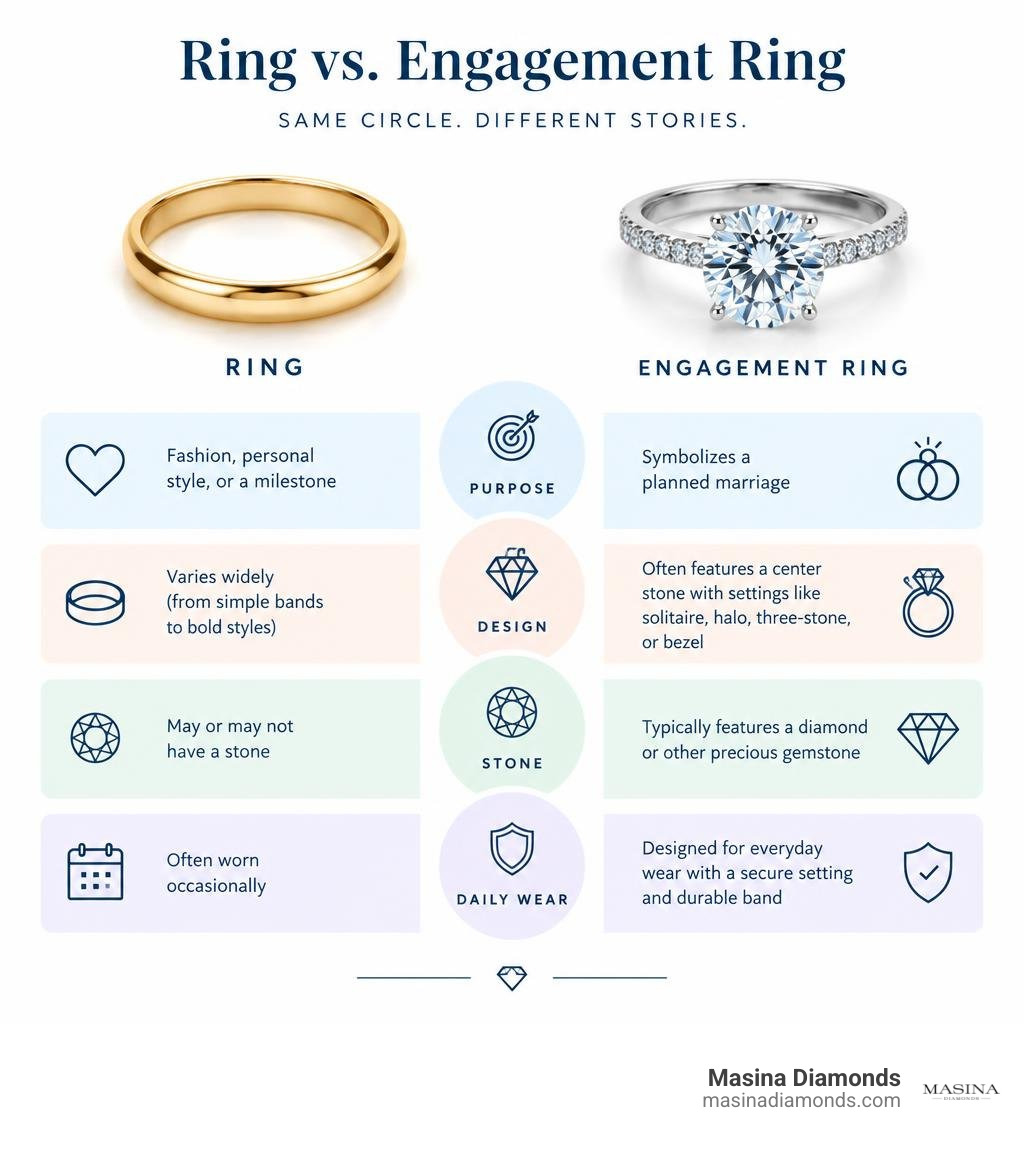
A ring can mark personal style, a promise, a marriage, or a milestone. An engagement ring specifically represents an intent to marry and is often designed for daily wear with a prominent center stone, durable setting, and a band that can pair with a wedding ring.
When comparing a ring and engagement ring, focus on the factors that affect both meaning and long-term comfort:
- Purpose: Fashion rings are mainly decorative; engagement rings symbolize a planned marriage.
- Design: Engagement rings often feature a diamond or colored gemstone in a solitaire, halo, three-stone, bezel, or similar setting.
- Practicality: Choose a secure setting, a metal that suits daily wear, and a size that fits through the knuckle without spinning.
- Budget: The right budget is personal. A 2023 survey from The Knot put the average U.S. engagement-ring spend at about $5,500, but a meaningful ring does not need to match an average.
- Stone choice: Diamonds remain the most common center stone, while lab-grown diamonds, sapphires, and other gems offer different price, sourcing, color, and durability options.
The best choice is one that reflects the wearer, fits everyday life, and has the craftsmanship to last. Start with style and setting, then compare metal, gemstone quality, ring size, certification, and care needs before you buy.
At Masina Diamonds, we have spent more than 40 years helping Atlanta clients compare every kind of ring and engagement ring, from classic diamond designs to custom-made pieces. Our jewelers can help turn a personal story, style preference, and practical budget into a ring built to be worn and enjoyed.
Key Differences Between a Standard Ring and Engagement Ring
While all engagement rings are rings, not every ring is engineered to serve as an engagement ring. The fundamental difference lies in structural purpose, everyday durability, and the way the piece is assembled. A standard cocktail or fashion ring is typically designed for occasional wear or aesthetic accessorizing. In contrast, an engagement ring is built to withstand decades of constant wear while showcasing a focal gem.
When we evaluate the architectural hierarchy of fine jewelry, engagement rings prioritize three critical pillars:
- Center Stone Prominence: Engagement rings almost always elevate a central gemstone—such as a diamond, sapphire, or emerald—using specialized mountings like prongs, bezels, or tension settings.
- Structural Longevity: The metal alloys used in bridal mountings (typically 14k gold, 18k gold, or platinum) are formulated to resist daily abrasions, protect fragile gem edges, and allow future resizing.
- Stacking Compatibility: Unlike broad statement rings that dominate the finger, engagement rings are engineered with head clearances that allow wedding bands to sit flush against them.
| Feature | Standard Fashion Ring | Wedding Band | Engagement Ring |
|---|---|---|---|
| Primary Purpose | Personal style, trend expression, occasional wear | Formalized marriage symbol exchanged at ceremony | Betrothal symbol, promise of upcoming marriage |
| Focal Point | Varied (open bands, enamel, pavé, cluster) | Continuous metal band, eternity pavé, or channel | Prominent center stone (solitaire, halo, 3-stone) |
| Metal Durability | Plated base metals, silver, low-karat gold | Solid 14k/18k gold, platinum, alternative metals | Solid 14k/18k gold, platinum |
| Average Daily Wear | Occasional to frequent | Continuous (24/7) | Continuous (daily wear) |
| Gemstone Hardness | 5 to 10 on Mohs scale (quartz, opal, etc.) | 8 to 10 on Mohs scale (accent diamonds/sapphires) | 9 to 10 on Mohs scale (diamonds, sapphires, rubies) |
How Band Styling Distinguishes a Fashion Ring and Engagement Ring
The physical architecture of the band (or shank) reveals immediate clues about its intended function. Fashion rings often feature wide, decorative profiles like a womens cigar band ring, open geometric silhouettes, or hollowed-out under-galleries designed to reduce metal weight.
In contrast, engagement rings utilize balanced shanks calibrated precisely between 1.5mm and 2.5mm in width. This width provides adequate structural integrity to hold a heavy gemstone mount without bending under daily pressure, while maintaining maximum comfort for everyday life. Furthermore, traditional bridal jewelry relies heavily on durable gold wedding bands and solid-cast settings, ensuring that the piece can be safely resized, polished, and re-tipped over decades of continuous use.
Traditional vs Modern Symbolism Across Ring Categories
The concept of presenting a ring as a betrothal pledge dates back to ancient Rome, where iron rings symbolized binding mutual commitment. Over centuries, this practice evolved through Renaissance poesy rings and Victorian sentimentality into our contemporary tradition of exchanging precious gemstone mountings.
Today, rings serve varied symbolic functions:
- Promise Rings: Represent pre-engagement romantic devotion or a personal milestone.
- Engagement Rings: Explicitly signify a mutual agreement to wed and are presented during the proposal.
- Wedding Bands: Exchanged during the marriage ceremony to represent unbroken unity.
- Heirloom & Fashion Rings: Express personal identity, aesthetic taste, or familial history, as seen in timeless vintage wedding rings passed down through generations.
Anatomy, Gemstones, and the 4 Cs Explained
Selecting the right center stone requires an understanding of basic gemology. When you inspect loose diamonds in Atlanta GA, you are looking at raw natural beauty refined by scientific proportion.
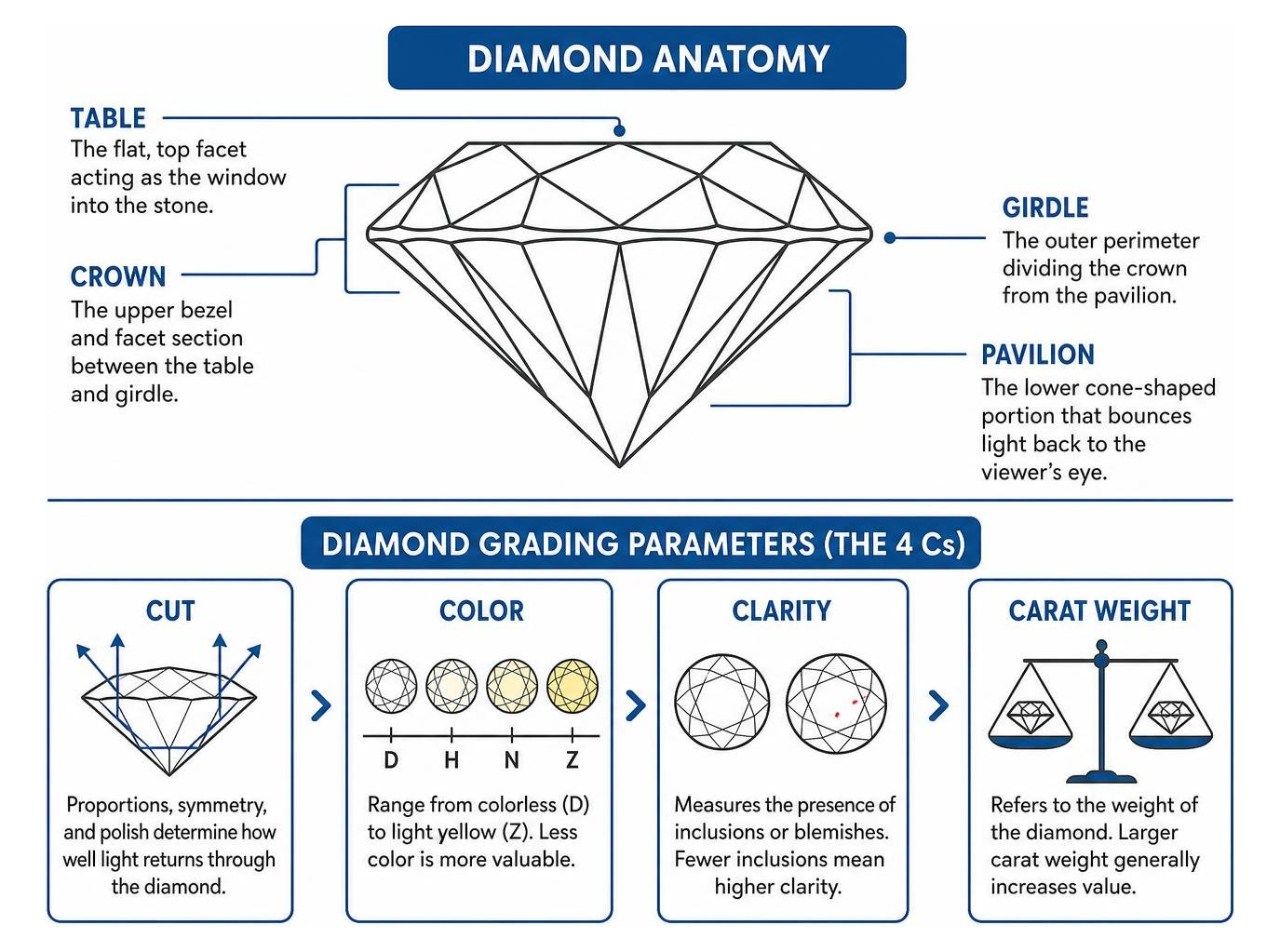
A diamond's anatomy consists of:
- Table: The flat, top facet acting as the window into the stone.
- Crown: The upper bezel and facet section between the table and girdle.
- Girdle: The outer perimeter dividing the crown from the pavilion.
- Pavilion: The lower cone-shaped portion that bounces light back to the viewer's eye.
- Culet: The tiny facet or point at the very bottom tip.
The 4 Cs of Center Diamonds
Established by the Gemological Institute of America (GIA), the 4 Cs provide the global standard for evaluating diamond quality:
- Cut: The most crucial of the 4 Cs. Cut does not simply mean diamond shape (like oval or emerald); it measures how well the facets interact with light. An "Excellent" or "Ideal" cut maximizes brilliance (white light reflection), fire (colored light flashes), and scintillation (sparkle during movement).
- Color: Graded on an alphabetical scale from D (completely colorless) to Z (light yellow or brown). Near-colorless stones in the G–I range provide exceptional visual beauty while offering strong value.
- Clarity: Evaluates internal characteristics (inclusions) and surface imperfections (blemishes) under 10x magnification, ranging from Flawless (FL) to Included (I1–I3). Eye-clean grades like VS1, VS2, and SI1 contain no flaws visible to the naked eye.
- Carat Weight: The physical metric weight of the gem, where 1 carat equals 200 milligrams. While carat correlates with physical dimensions, a well-cut diamond can appear visually larger than a poorly cut stone of identical weight, which is essential to know when comparing 2 carat engagement rings.
To ensure your diamond's quality is verified, always look for third-party laboratory grading certificates (such as GIA or IGI). For a technical overview of how grading standards and verification frameworks are structured, you can review this domain prefix resource.
Natural Diamonds, Lab-Grown Diamonds, and Alternative Gemstones
Nearly 70% of engagement rings feature a diamond as the center stone, according to data from Jewelers of America. However, modern couples enjoy an unprecedented variety of gemstone materials:
- Natural Earth-Mined Diamonds: Formed billions of years ago under extreme mantle pressure, natural diamonds remain the definitive luxury standard with unmatched geological prestige and a hardness rating of 10 on the Mohs scale.
- Lab-Grown Diamonds: Chemically, physically, and optically identical to mined diamonds, lab diamonds are grown in advanced laboratories using High Pressure High Temperature (HPHT) or Chemical Vapor Deposition (CVD). Per Bain & Company, lab-grown diamonds now account for approximately 10% of the engagement ring market, growing at 20% year-over-year due to their accessible price point and traceable origins. Exploring lab grown diamonds in Atlanta GA allows buyers to maximize carat size within a set budget.
- Fine Colored Gemstones: For those seeking distinctive color, natural corundum—including blue, peach, or teal sapphire engagement rings—scores a 9 on the Mohs hardness scale, making it resilient enough for daily bridal wear. Softer stones like opals (5.5–6.5 Mohs) or emeralds (7.5–8 Mohs with natural fissures) require protective settings if chosen for long-term wear.
Exploring Popular Engagement Ring Styles and Settings
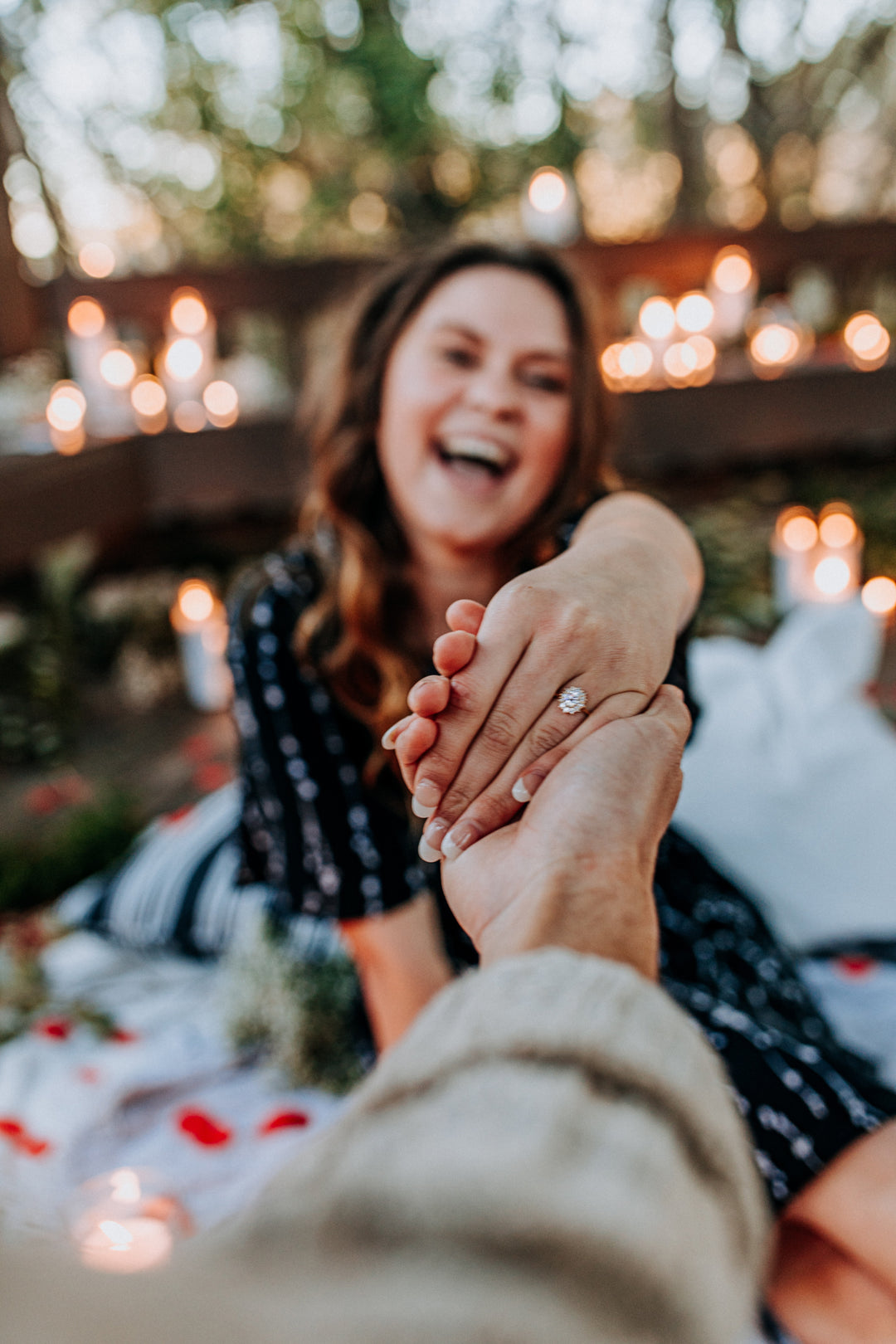
The mounting style sets the visual tone of the ring and protects the center gemstone.
Classic and Vintage Setting Aesthetics
Traditional silhouettes emphasize time-honored proportions and romantic metalwork:
- Solitaire Settings: The ultimate classic design featuring four or six prongs that suspend a single stone, allowing light to enter from all directions.
- Three-Stone Rings: Also known as trilogy rings, three stone engagement rings incorporate a center gem flanked by two side stones, traditionally symbolizing a couple's past, present, and future.
- Vintage-Inspired Mountings: Utilizing intricate milgrain borders, hand-engraving, and filigree galleries, authentic vintage engagement rings offer timeless, heirloom-quality character.
Modern and Minimalist Ring Profiles
Modern brides frequently lean toward sleek, low-profile designs built for active lifestyles:
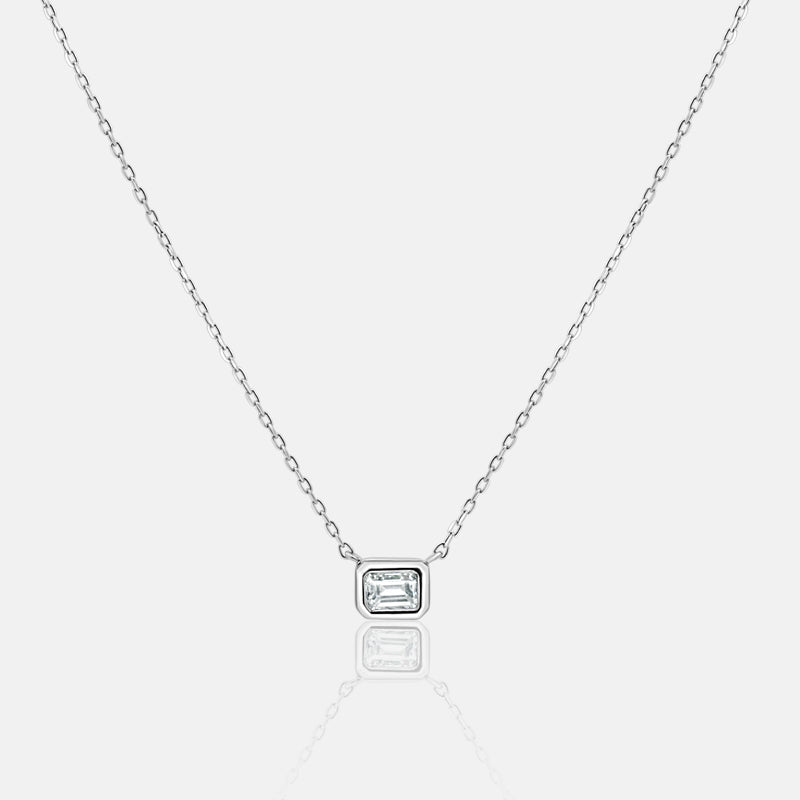
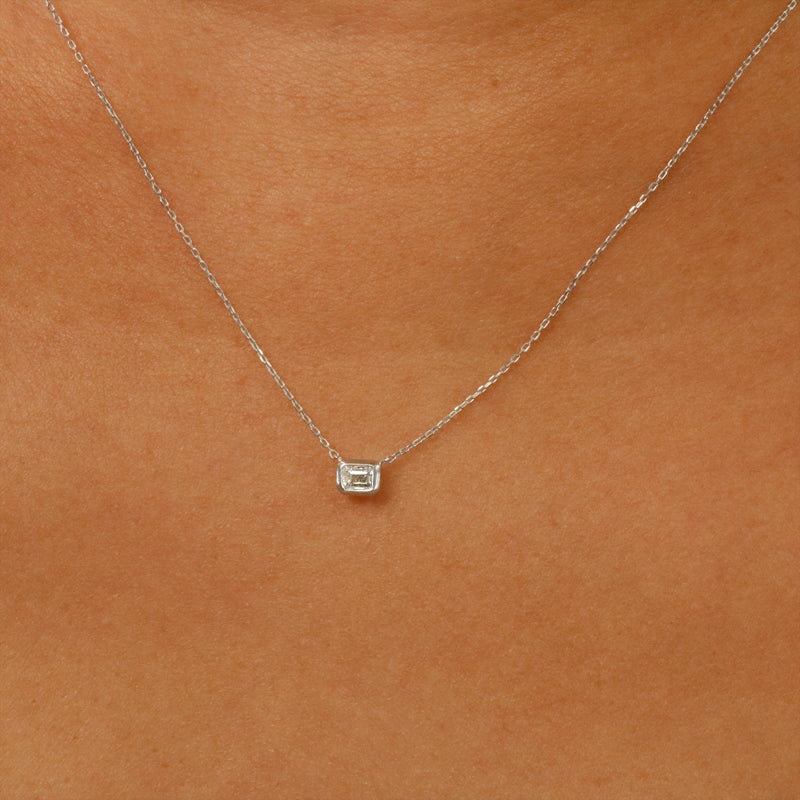
- Bezel Settings: A smooth rim of precious metal encircles the perimeter of the gemstone, offering maximum defense against impacts.
- Hidden Halos: A delicate collar of pavé diamonds sits just beneath the center stone's girdle, visible only from the profile view for subtle sparkle.
- Contemporary Minimalist Bands: Defined by clean lines and understated luxury, modern engagement rings highlight geometry over ornate decoration.
- Elongated Cuts: Clean silhouettes such as simple oval engagement rings create an elegant, finger-flattering effect.
- Organic & Bohemian Aesthetics: Free-form metal branches, cluster accents, and asymmetrical arrangements define bohemian minimalist engagement rings.
Selecting the Right Precious Metal
Your choice of metal impacts the ring's overall aesthetic, durability, and skin compatibility:
- Platinum: Naturally white, dense, and hypoallergenic. Platinum does not wear away over time; instead, it develops a soft, satin patina that can be polished back to a high shine whenever desired.
- White Gold: Bright and contemporary, white gold engagement rings are alloyed with metals like nickel or palladium and plated with rhodium for an ultra-white mirror finish, requiring periodic re-plating.
- Yellow Gold: Warm, rich, and classic, yellow gold engagement rings complement warm skin tones and provide high contrast against colorless diamonds.
- Rose Gold: Created by blending pure gold with copper alloys, rose gold delivers a romantic, blush-pink hue with exceptional durability.
Practical Guide to Sizing, Budgeting, and Maintenance
Shopping for an engagement ring takes an average of 3.5 months, with 40% of buyers visiting three or more retail locations before making their decision, according to The Knot. Approaching the process with structured knowledge ensures you navigate sizing, budgeting, and upkeep with total confidence.
How to Measure and Find the Correct Ring Size
An engagement ring must slide smoothly over the knuckle with slight resistance, resting comfortably at the base of the finger without pinching or spinning.
- Professional Sizing: The most accurate method involves visiting an expert jeweler to be measured with calibrated stainless steel ring gauges across different band widths.
- Discreet Sizing Strategies: If planning a surprise proposal, borrow a ring your partner wears on their left ring finger and have a jeweler measure it on a tapered ring mandrel. Alternatively, trace the inner circumference on paper or compare measurements using physical or digital sizing guides.
- Environmental Factors: Fingers naturally swell in warm weather, after workouts, or in the evening. Always measure fingers when hands are at a comfortable room temperature.
Comparing Longevity in Everyday Ring and Engagement Ring Designs
Because engagement rings are worn through workouts, desk work, and household tasks, they require structural care that standard fashion jewelry rarely needs:
- Prong Re-Tipping: Over 5 to 10 years of friction, gold prongs wear thin. Regular inspections identify thinning prongs before a stone loosens.
- Ultrasonic and Steam Cleaning: Everyday lotions, soaps, and body oils create a film on the underside of gemstones, dulling their light return. Professional cleaning restores maximum brilliance.
- Annual Maintenance Checks: Visiting our studio for routine jewelry repair in Atlanta GA ensures side stones remain tightly set and shanks stay true to round.
Common Mistakes to Avoid When Buying an Engagement Ring
- Overpaying for Invisible Grades: Purchasing a Flawless clarity or D-color diamond when an eye-clean VS2, G-color stone looks identical to the naked eye at a fraction of the cost.
- Ignoring the Wearer's Lifestyle: Choosing high-set, fragile prongs for someone who works with their hands daily or wears medical gloves.
- Forgetting Band Stacking Geometry: Buying an engagement ring with an ultra-low basket without considering how the future wedding band will sit beside it.
- Skipping Independent Certification: Never buy a significant diamond without a verified grading dossier from recognized laboratories like GIA or IGI.
Frequently Asked Questions About Rings and Engagement Rings
Can any ring be used as an engagement ring?
Yes. Any ring given with the intention of proposing marriage is technically an engagement ring. However, standard fashion rings made from soft metals (like sterling silver) or softer gemstones (like moonstone or opal) will wear down, crack, or lose stones under daily, continuous wear. An engagement ring should ideally be crafted in 14k/18k gold or platinum and feature gems rated at 8 or higher on the Mohs hardness scale.
What is the average price of an engagement ring today?
The national average sits at approximately $5,500. However, modern couples spend anywhere from $1,500 to well over $20,000 depending on diamond origin, carat weight, metal type, and design complexity. The rise of lab-grown diamonds has made large, high-clarity center stones accessible at significantly lower price points.
How do wedding rings differ from engagement rings?
The engagement ring is presented during the proposal to signify betrothal, while the wedding ring is exchanged during the ceremony to represent completed marriage vows. Many couples select matched wedding ring sets in Atlanta GA to ensure the bands nest flush against each other comfortably.
Conclusion
Whether you are looking for an everyday statement ring, a timeless diamond solitaire, or a custom heirloom, understanding the differences in craftsmanship, stone durability, and setting engineering ensures your investment lasts a lifetime.
At Masina Diamonds, our family has dedicated over 40 years to handcrafting fine jewelry in Atlanta. Using our interactive 3D Ring Builder, we collaborate with you in real time to visualize every angle, select verified natural or lab-grown diamonds, and sculpt bespoke mountings tailored precisely to your style and budget. Explore our curated Masina Diamonds collections or schedule a private consultation in our Atlanta showroom to create a piece you will cherish forever.