Complete Month-by-Month Guide to Birthstone Meanings and Origins
Birthstone jewelry pairs each calendar month with a specific gemstone, giving every stone a distinct meaning—from January garnet's protection and constancy to December tanzanite's intuition and spiritual growth. These gems serve as personal talismans, milestone gifts, and everyday adornments that reflect individual identity. The tradition of associating specific gems with different months traces back centuries, rooted in historical breastplates, ancient lore, and planetary alignments. Over time, these cultural traditions evolved into our standardized modern calendar. Choosing a gem goes beyond simple aesthetics—each mineral holds a rich narrative of heritage and personal symbolism.
To explore the full spectrum of options, review this comprehensive birthstones by month list to see how every calendar period is represented across jewelry history. For broader context on how these traditions developed, see the birthstone entry.
| Month | Primary Birthstone | Alternative Gems | Core Symbolic Meaning |
|---|---|---|---|
| January | Garnet | Tsavorite, Rhodolite | Protection, constancy, vital energy |
| February | Amethyst | Prasiolite (Green Quartz) | Clarity, calm, inner peace |
| March | Aquamarine | Bloodstone | Tranquility, safe passage, courage |
| April | Diamond | White Topaz, Quartz | Unbreakable strength, eternal love |
| May | Emerald | Tsavorite Garnet | Rebirth, prosperity, deep wisdom |
| June | Alexandrite | Pearl, Moonstone | Transformation, balance, duality |
| July | Ruby | Spinel | Passion, vitality, courage |
| August | Peridot | Spinel, Sardonyx | Harmony, joy, renewal |
| September | Sapphire | Lapis Lazuli | Loyalty, truth, quiet authority |
| October | Opal | Pink Tourmaline | Creativity, hope, emotional balance |
| November | Citrine | Golden Topaz, Smoky Quartz | Abundance, warmth, vitality |
| December | Tanzanite | Turquoise, Blue Zircon | Intuition, spiritual growth, perspective |
January to June: From Garnet Protection to Alexandrite Transformation
The first half of the year features gems that symbolize protection, clarity, and renewal. January starts with the deep red glow of garnet, a stone carried by ancient travelers as a protective talisman. February brings amethyst, celebrated for encouraging a balanced, clear mind. March offers aquamarine, echoing the calm of cool ocean waters.
April highlights diamond, the benchmark of hardness and enduring devotion. When selecting fine gems, understanding the 4Cs—cut, color, clarity, and carat weight—is just as valuable for colored stones as it is for diamonds.
May showcases the lush verdancy of emerald, long viewed as a symbol of growth and renewal. A protective setting, like a yellow gold bezel band with green emeralds, offers an ideal way to highlight this classic stone while keeping it secure for regular wear. June concludes this half of the year with alexandrite—a rare chrysoberyl variety that shifts gracefully from mossy green in sunlight to rich purple under incandescent light, symbolizing personal transformation.
July to December: From Ruby Passion to Tanzanite Wisdom
The latter half of the calendar brings intense color, warmth, and depth. July opens with ruby, the "king of gems," which represents passion, vitality, and unwavering strength. A finely crafted piece like an 18k white gold ruby wedding band brings dynamic warmth and exceptional durability to everyday fine jewelry.
August features peridot, a bright olive-green stone formed deep in the Earth's mantle and brought to the surface through volcanic activity. September introduces royal blue sapphire, historically worn by rulers as a sign of truth and loyalty. Pairing sapphire with diamond accents creates a striking contrast, seen in designs like a diamond and sapphire stackable band.
October features both kaleidoscopic opal and vibrant pink tourmaline, representing emotional healing and artistic creativity. November brings golden citrine, radiating warmth and optimism. December closes out the year with tanzanite—a rare trichroic gem found exclusively near Mount Kilimanjaro—celebrated for its velvety blue-violet hues that inspire intuition and perspective.
Popular Styles and Materials for Modern Birthstone Jewelry
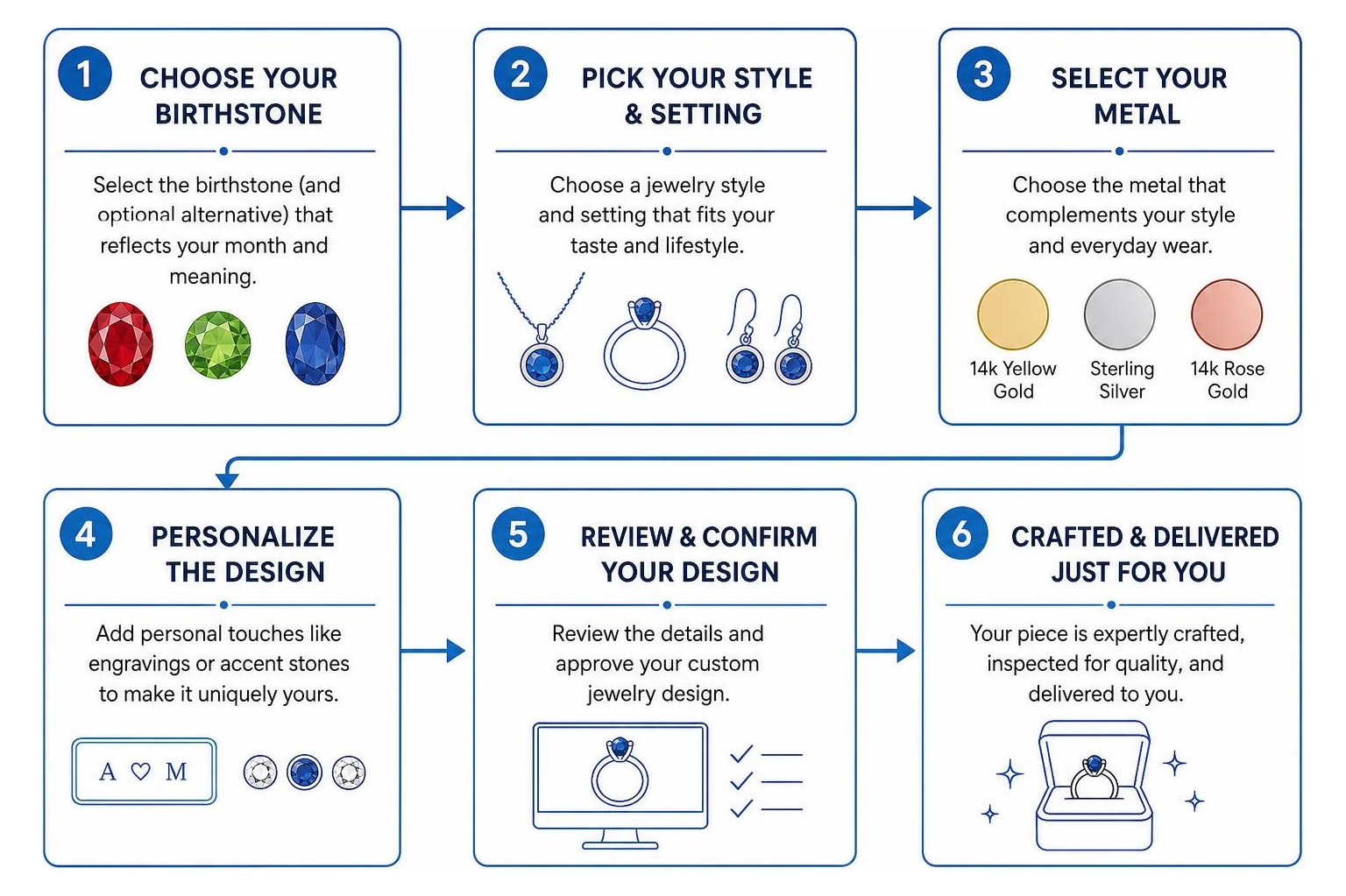
Today's fine gemstone designs combine meaningful sentiment with refined style. Solitaire pendants, station charm necklaces, huggie earrings, and stackable eternity bands allow you to wear your birthstone in ways that match your personal routine.
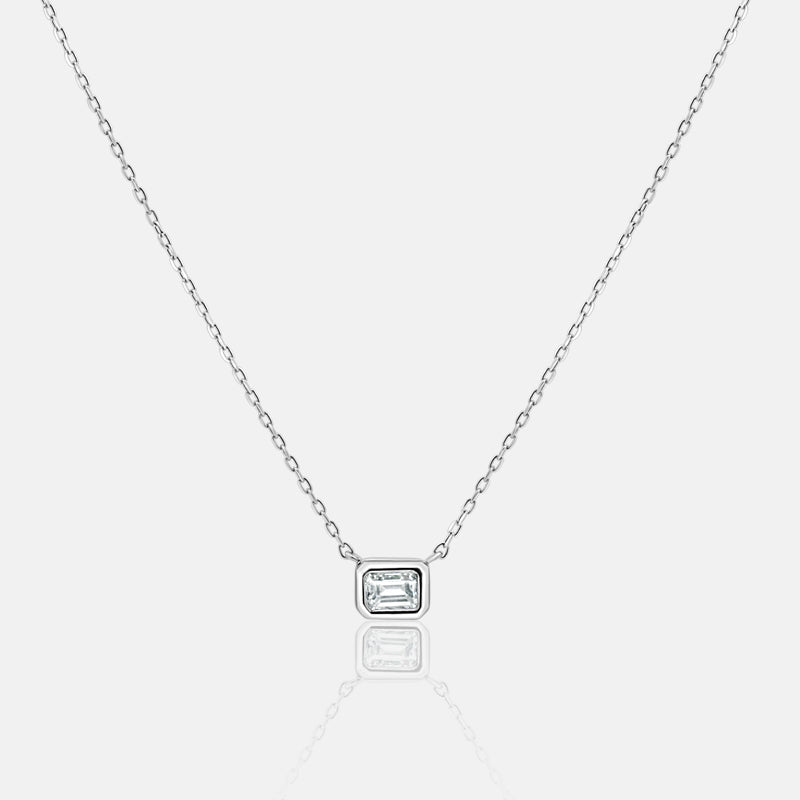
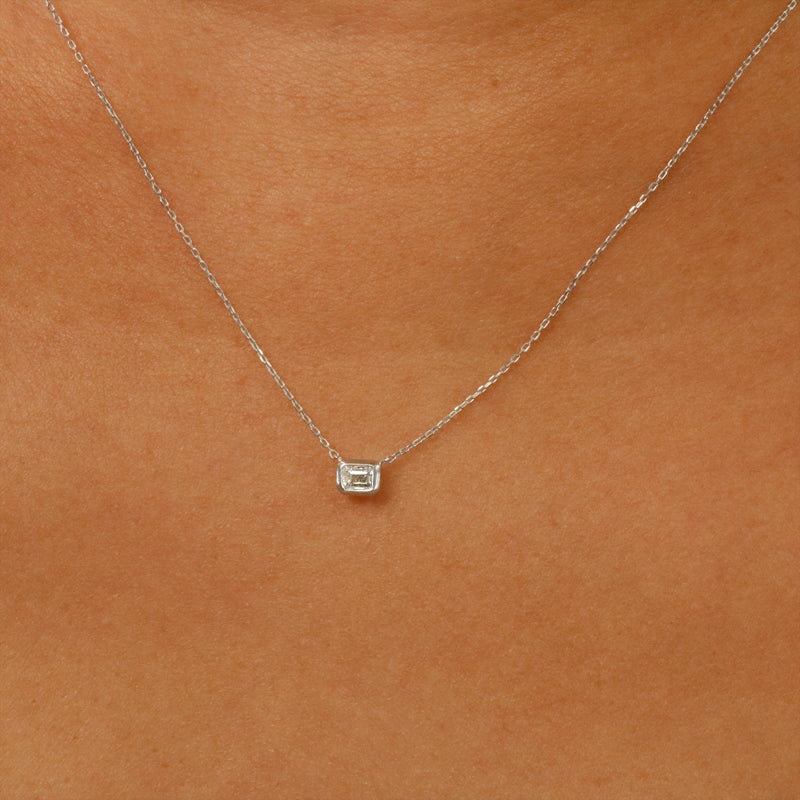
Settings play a vital role in both appearance and durability. While traditional prong settings allow maximum light into the stone, modern bezel mountings wrap the perimeter in solid metal. For example, a bezel-set emerald necklace protects the gemstone's edges against accidental knocks while creating a clean, modern silhouette. Finding the right piece begins by learning about the traditional stones for birthday months and choosing a silhouette that complements your wardrobe.
Choosing Metals: Solid Gold, Sterling Silver, and Other Options
The metal setting provides the structural foundation for your gemstone while shaping the piece's overall look:
- 14k Yellow Gold: Offers classic warmth and solid structural resilience, making it a dependable choice for everyday wear.
- 14k & 18k White Gold: Delivers a crisp, modern finish that complements cool-toned gems like sapphire, aquamarine, and diamond.
- 18k Rose Gold: Adds a soft, romantic blush that flatters warmer stones like ruby, garnet, and morganite.
- 925 Sterling Silver: A versatile, budget-friendly fine metal option that pairs beautifully with lighter colored gems, though it requires occasional polishing to maintain its shine.
Designing Custom Birthstone Jewelry Gifts
Custom-designed jewelry offers a thoughtful way to celebrate personal milestones. Rather than settling for a generic off-the-shelf pendant, many clients choose to combine birthstones representing their children, partner, or meaningful life moments into a single harmonious design.
Stacking rings provide effortless versatility—you can mark the arrival of a new family member or a special anniversary with a dainty stackable sapphire wedding band paired alongside existing bands. In our Atlanta studio, we use advanced 3D modeling tools to help you visualize every custom detail before our master jewelers begin crafting your piece.
Natural Gemstones vs. Lab-Created Gemstones: Quality, Durability, and Pricing
When selecting a birthstone piece, you can choose between natural, Earth-mined minerals and lab-created gems. Both options offer distinct advantages depending on your budget, aesthetic preferences, and lifestyle.
| Feature | Natural Gemstones | Lab-Created Gemstones |
|---|---|---|
| Origin | Mined from natural geological formations | Grown in controlled laboratory environments |
| Chemical Structure | Identical crystal composition to Earth-mined | Identical physical and optical properties |
| Visual Inclusions | Natural growth lines and unique minerals | Exceptional clarity; minimal inclusions |
| Mohs Hardness | 1 to 10 (varies strictly by mineral species) | Matches the exact rating of the natural counterpart |
| Price Point | Premium investment; tied to rarity | Accessible; 60%–90% lower cost |
| Heirloom Value | High long-term resale and heritage value | Valued primarily for wearability and style |
Evaluating Durability and Daily Wear
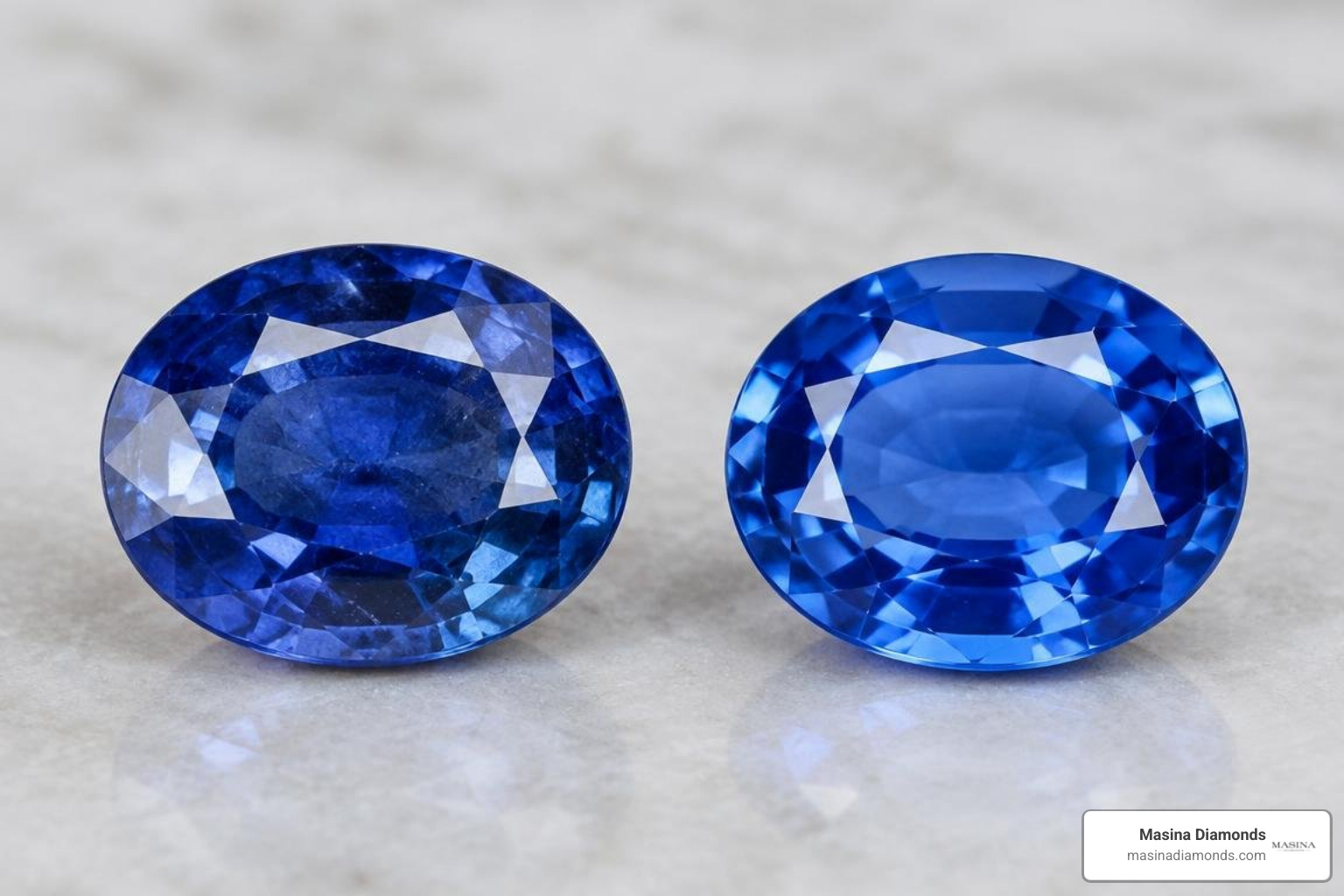
A gemstone's ability to resist scratches and abrasions is measured on the Mohs hardness scale, which runs from 1 (talc) to 10 (diamond). Harder gems, such as corundum (sapphire and ruby at 9) and chrysoberyl (alexandrite at 8.5), are exceptionally resilient and well-suited for daily-wear rings.
Softer gems like opal (5.5–6.5) and emerald (7.5–8, but often with internal fissures) benefit from protective mountings like bezels or low-profile settings. To learn more about how different minerals perform over time, read our guide on beyond diamonds stunning gemstones to select the right stone for your daily routine.
Price Ranges and Budget Considerations
The budget for fine gemstone jewelry varies based on metal selection and stone quality:
- Entry-Level ($50 – $250): Sterling silver or gold-plated designs featuring lab-created gems or natural accent stones like quartz and topaz.
- Mid-Tier ($250 – $800): Solid 14k gold settings featuring fine lab-grown stones or natural semi-precious gems like peridot, garnet, citrine, and amethyst.
- Luxury Heirloom ($800 – $5,000+): Custom-crafted 14k or 18k solid gold and platinum settings featuring certified natural sapphires, rubies, emeralds, alexandrites, or diamonds.
How to Clean and Care for Gemstone Jewelry
Proper care preserves the color, clarity, and structural integrity of your fine jewelry over decades of wear. Different minerals react differently to heat, chemicals, and pressure, making proper cleaning techniques essential.
Everyday Care Tips for Birthstone Jewelry
- Clean with Warm Water and Mild Soap: The safest way to clean almost any fine gemstone is with warm water, a few drops of mild dish soap, and a soft-bristled baby toothbrush. Gently brush behind the setting where oils and lotions accumulate, rinse thoroughly, and pat dry with a lint-free cloth.
- Avoid Ultrasonic Cleaners for Treated Gems: While diamonds, rubies, and sapphires without severe fractures tolerate ultrasonic vibration well, never place emeralds, opals, tanzanites, or pearls in an ultrasonic machine. The vibrations can damage porous structures or dislodge clarity-enhancing treatments.
- Practice the "Last On, First Off" Rule: Put your jewelry on after applying perfumes, lotions, hairspray, and cosmetics. Take rings and bracelets off before swimming in chlorinated pools, exercising, or handling household cleaning products.
- Schedule Periodic Prong Inspections: Have a professional jeweler inspect your settings once a year to ensure prongs remain tight, bezels stay secure, and stones do not shift.
Frequently Asked Questions
Can I wear my birthstone piece every day?
Yes, provided the gemstone's durability matches the jewelry style and setting. Harder stones like diamond, sapphire, ruby, and alexandrite are naturally suited for daily wear in rings. Softer or more brittle gems like opal, emerald, and tanzanite wear best when set in protective bezel mountings, or worn as pendants and earrings where they face fewer daily bumps.
What is the difference between traditional and modern birthstones?
Traditional birthstones reflect centuries-old cultural customs, often highlighting stones that were accessible in antiquity, like turquoise or bloodstone. Modern charts, standardized in the early 20th century, incorporate transparent faceted gemstones like tanzanite and alexandrite. You can explore both classifications in our updated birthstones by month guide 2026.
How do I choose between natural and lab-created birthstones?
Choose natural gemstones if you value geological rarity, unique mineral inclusions, and traditional heirloom appeal. Opt for lab-created stones if you prefer maximum visual clarity and saturated color at an accessible price point, without compromising on everyday hardness.
Conclusion
Birthstone jewelry bridges personal history with fine artistry, creating timeless keepsakes that celebrate the people, dates, and milestones closest to your heart. Whether you are building a custom multi-stone family necklace or selecting an everyday birthstone ring, choosing quality metals and secure settings ensures your piece can be enjoyed for generations.
Masina Diamonds brings over 40 years of trusted craftsmanship to our Atlanta showroom, helping you create bespoke fine jewelry with care and precision. Explore our comprehensive birthstones by month meanings and jewelry guide or contact our design team today to craft your personalized heirloom.